VECINĂTÁTE (neighbourhood), vecinătăți (neighbourhoods), s. f. I. 1. The state or situation of someone or something that is, exists, lives, or resides alongside, near another person or thing.
What does collective housing mean in Romania today, and how does it reconcile with the concept of neighborhood? Is neighborhood still part of living together in the city? What is the actual relationship between housing and neighborhood in the present? And what can we learn from the housing models experienced by people in our cities over the past 100 years?
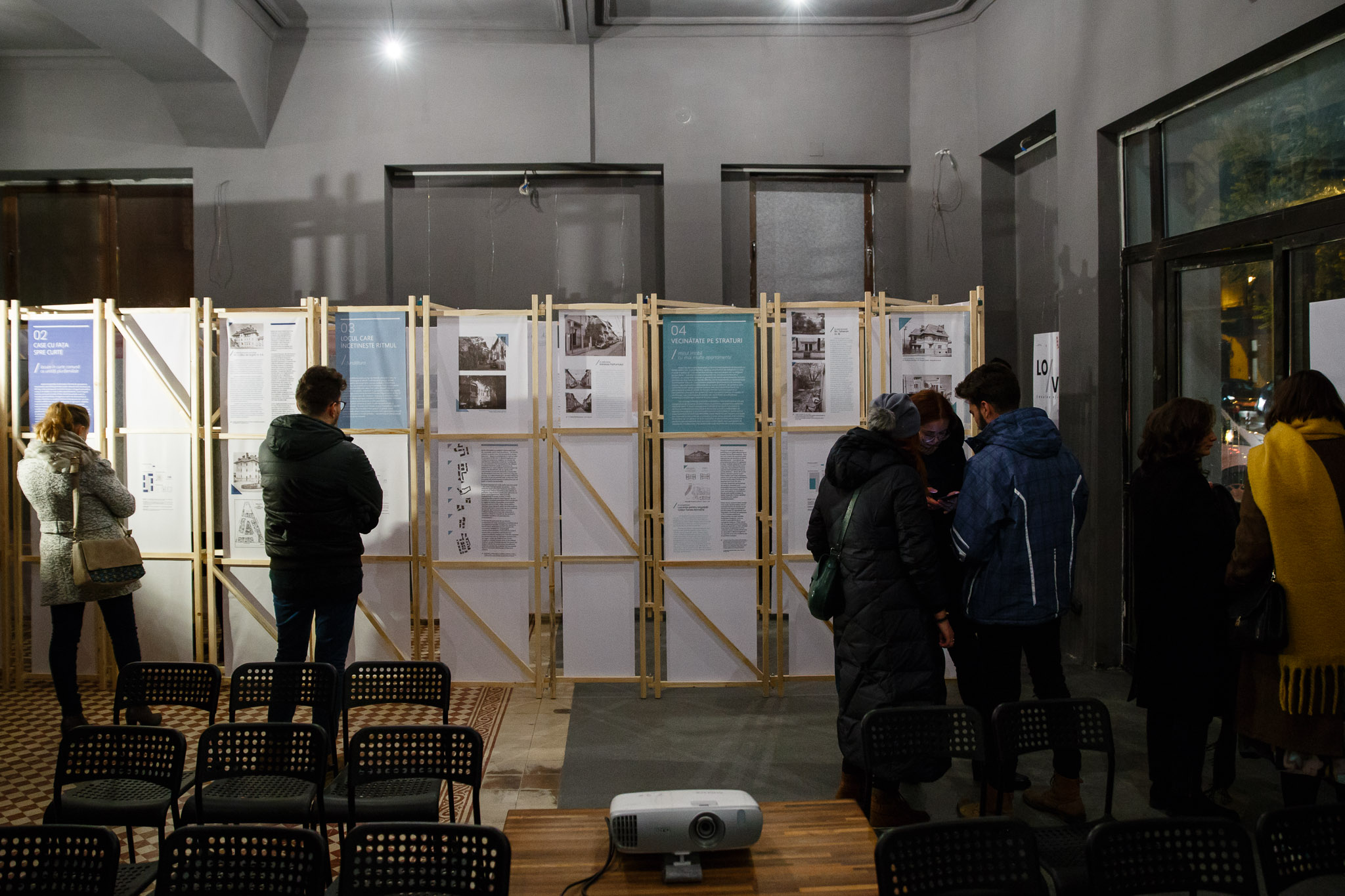
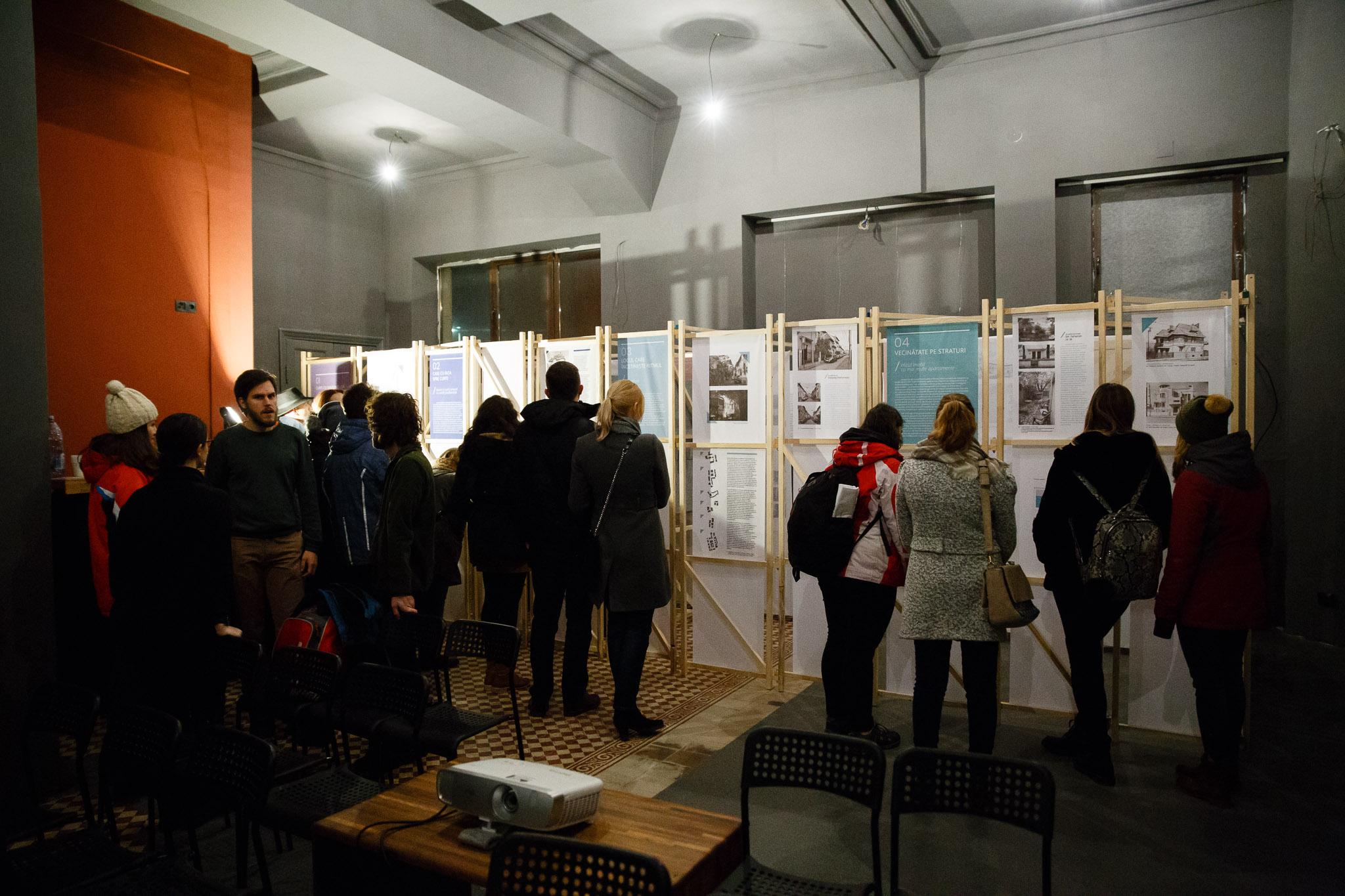
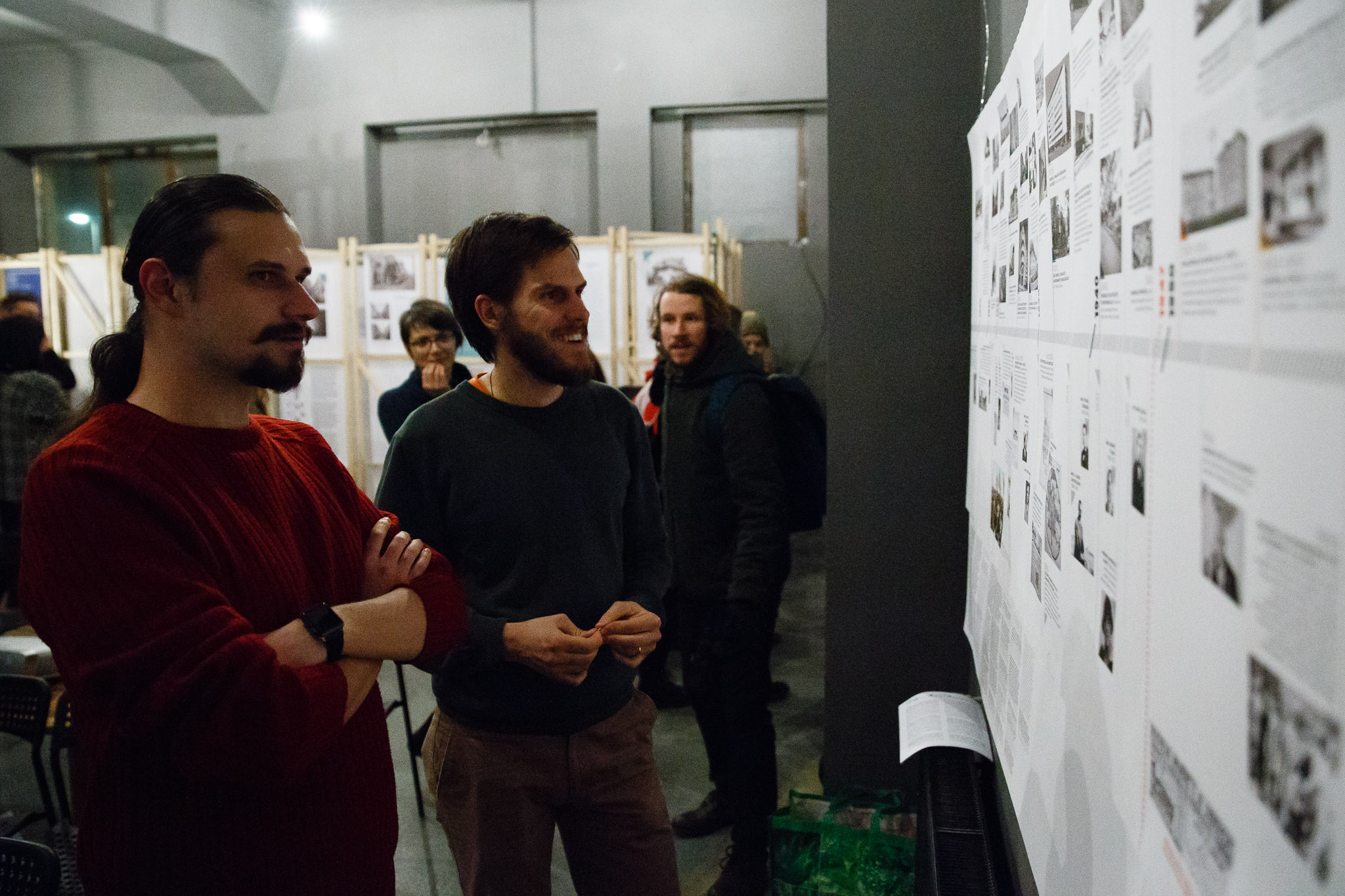
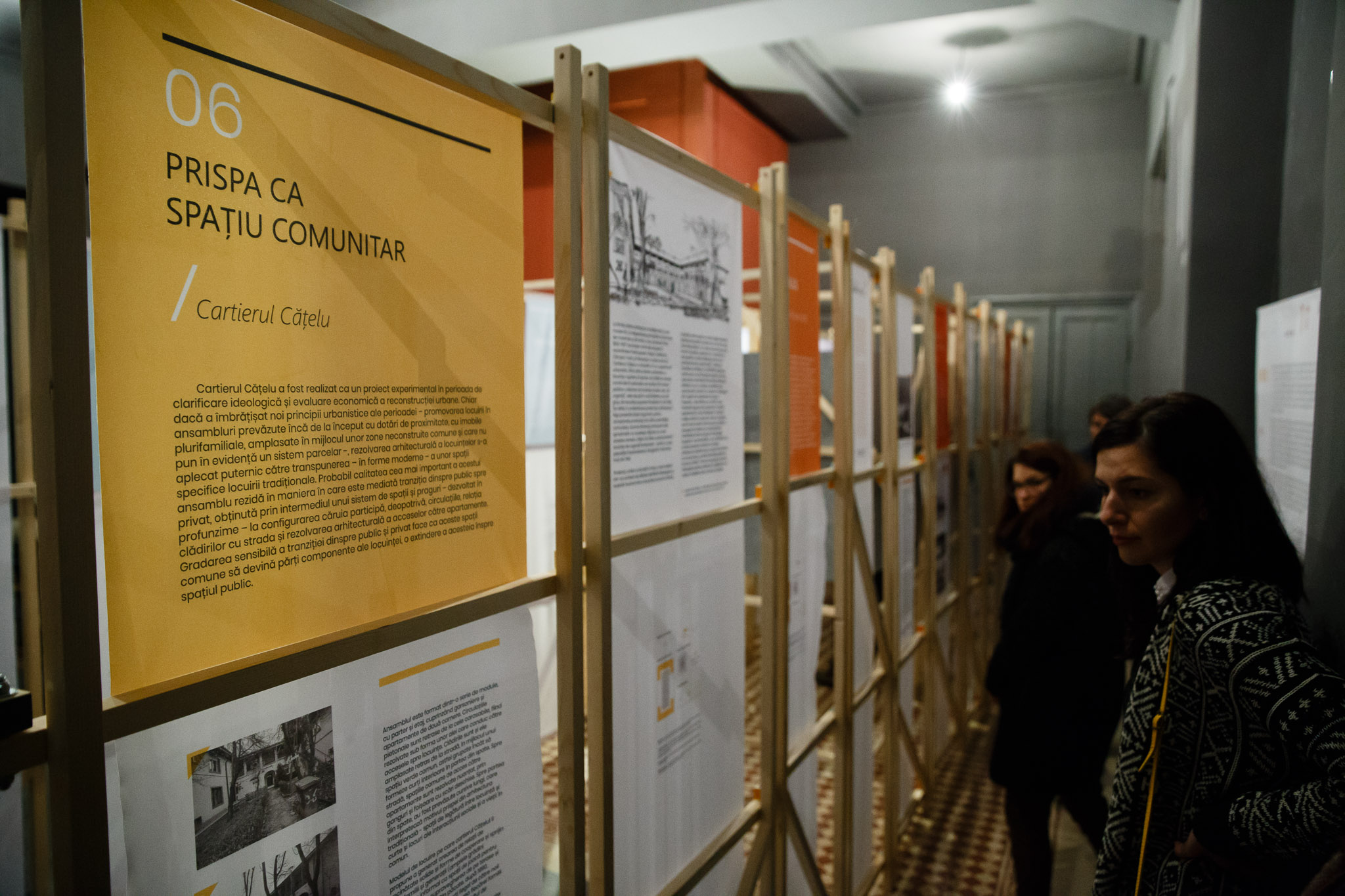
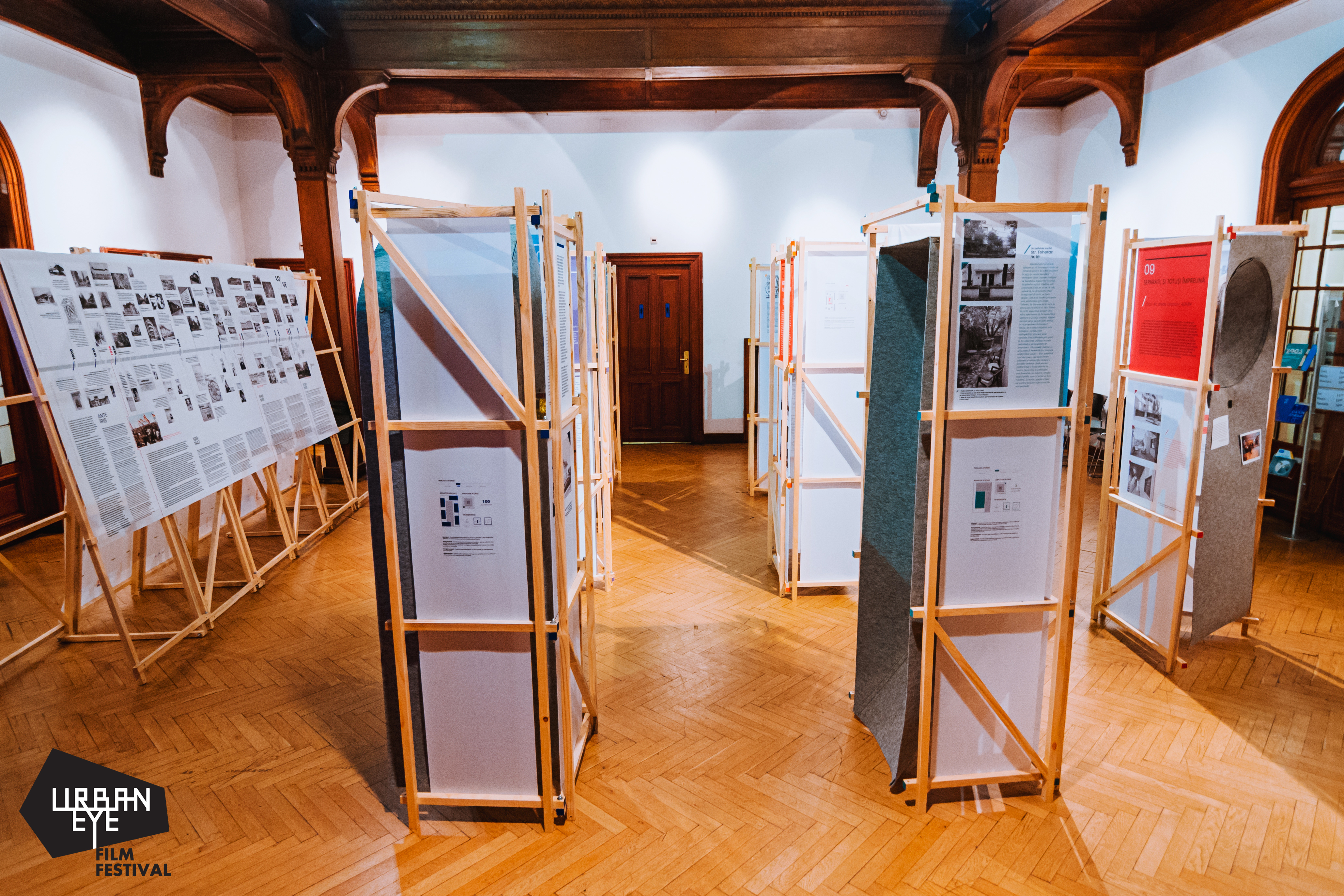
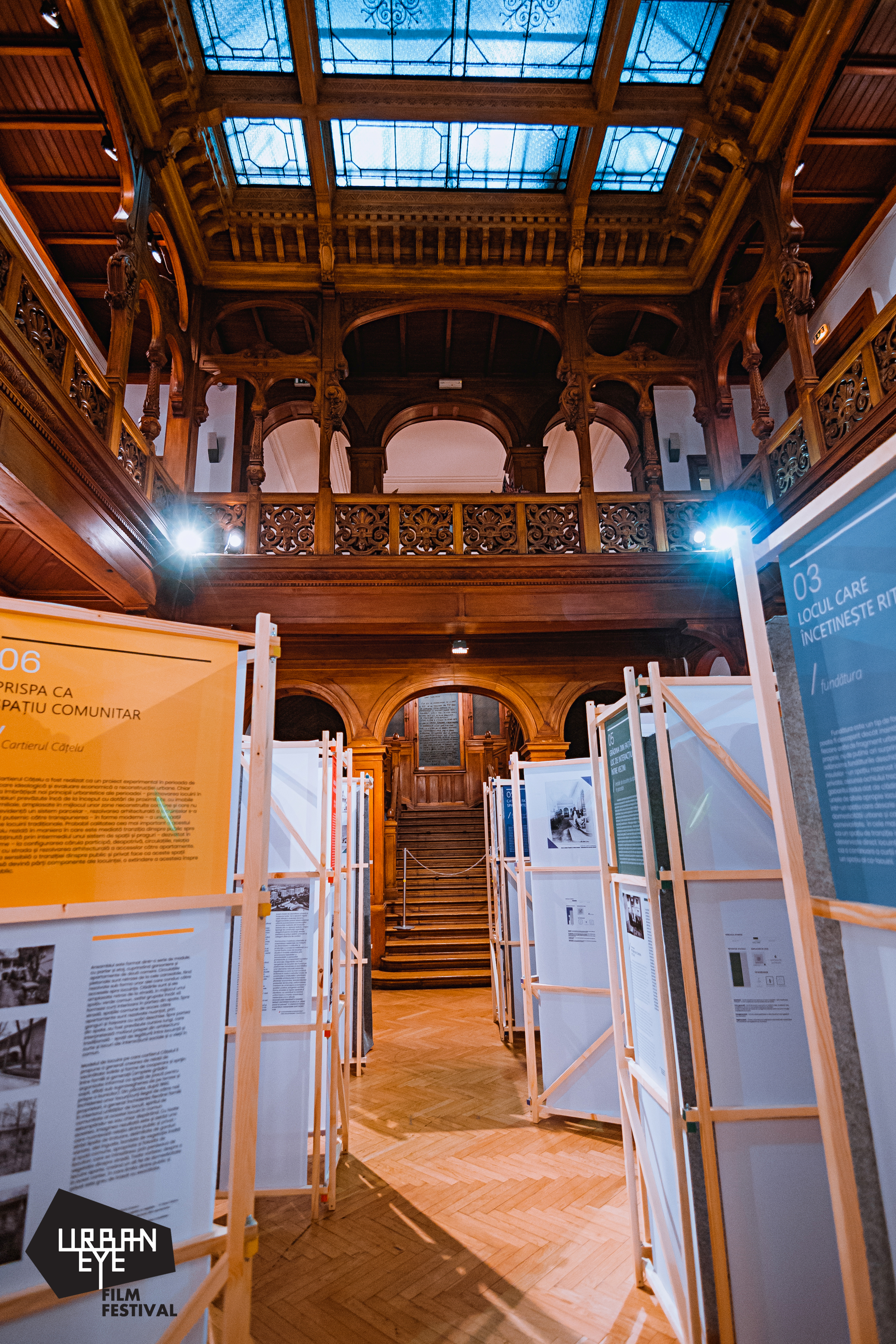
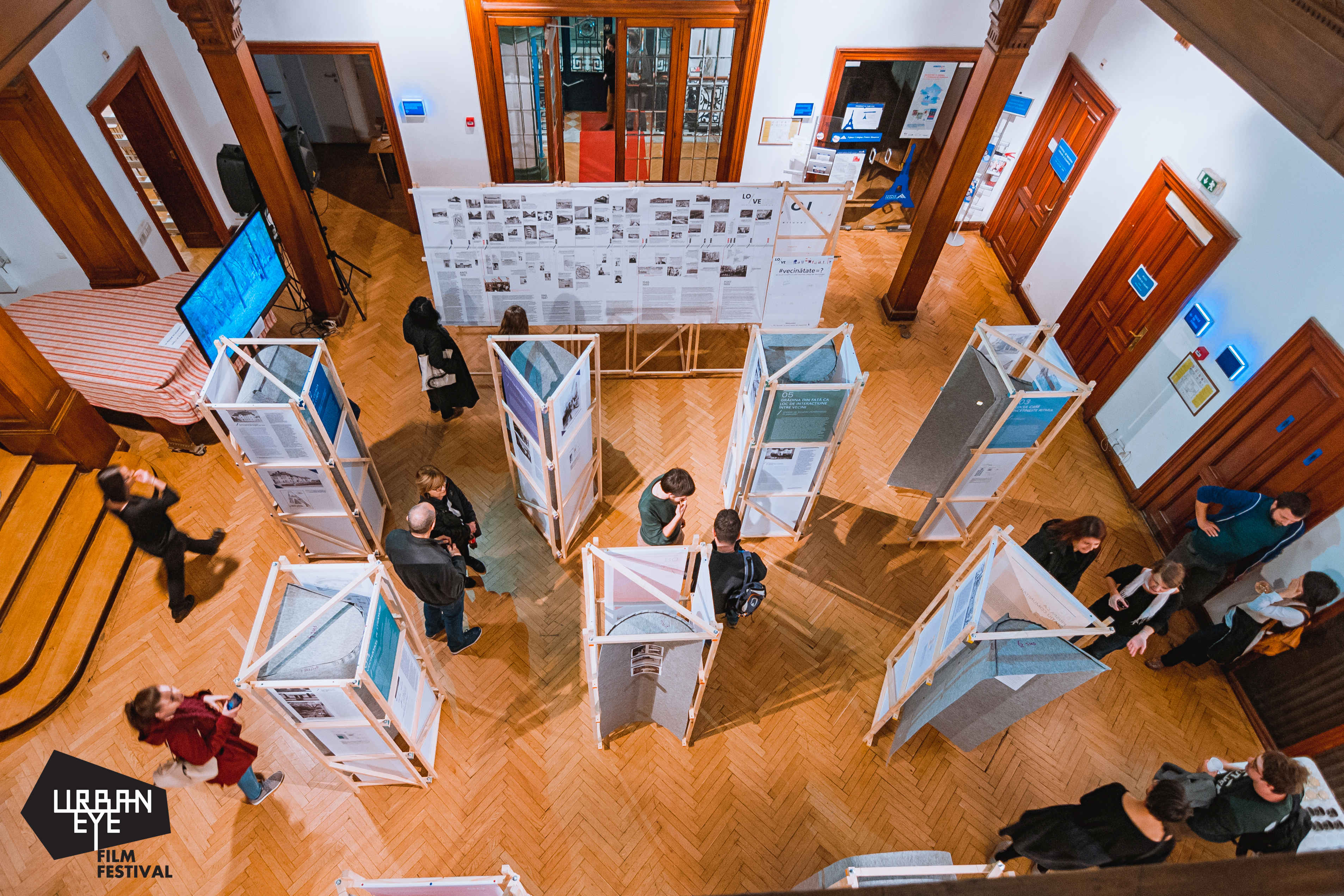
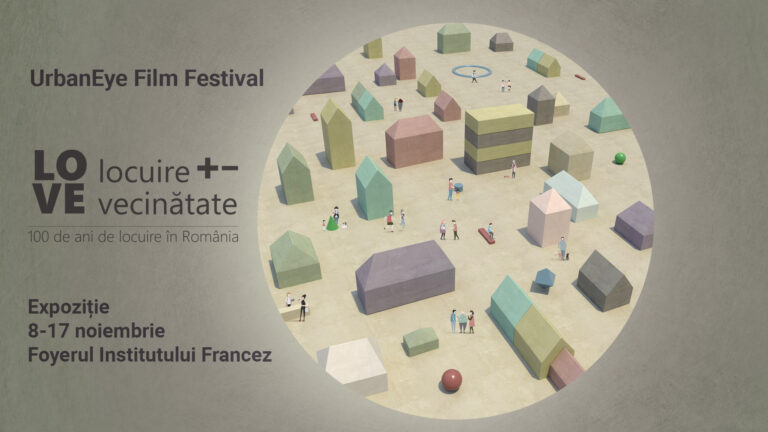
The project “LO VE: Living and Neighborhood,” carried out between October and December 2018, sparked a discussion about the future of collective housing in Romania by bringing back into focus models of communal living experimented with in Romania over the last century, as well as elements that played a role in weaving connections between people and place, between inside and outside.
The project was implemented in partnership with Arta în Dialog, Asociația VIRA, and De-a Arhitectura, funded by the Ministry of Culture and National Identity, and included a traveling exhibition (displayed in Bucharest and Cluj), film screenings and short films, children’s workshops, and debates.
Without composing a complete monograph of collective housing over the past 100 years, both the LO VE: Living and Neighborhood exhibition and its related events served as an invitation to find answers from the past to our challenges today and tomorrow, the challenges of us, the residents.
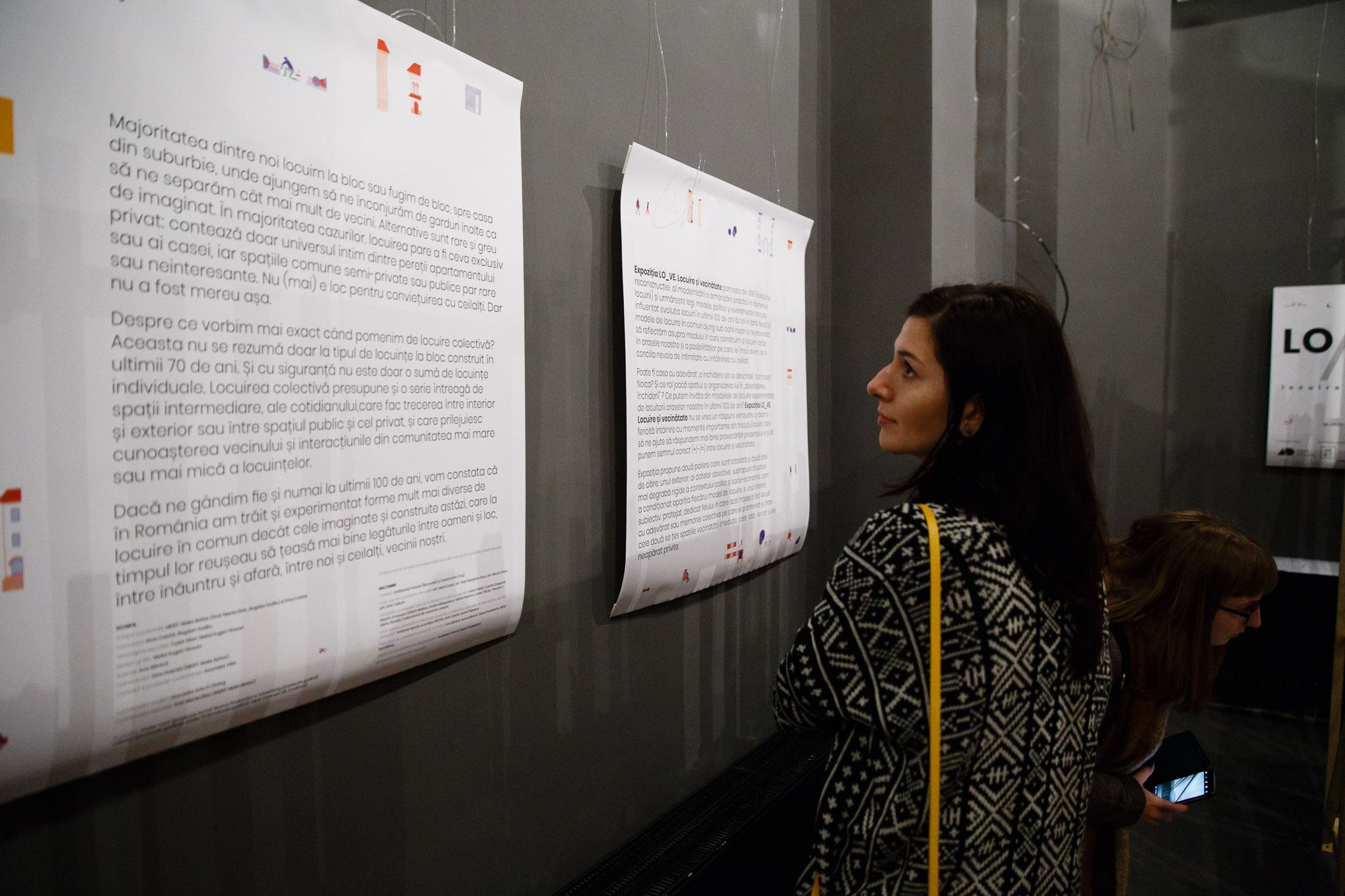
Below is an excerpt from the exhibition’s curatorial statement:
“Most of us live in apartment blocks, or flee from them toward suburban houses, where we end up surrounding ourselves with high fences to separate ourselves as much as possible from our neighbors. Alternatives are rare and hard to imagine. In most cases, housing seems to be something exclusively private: only the intimate universe within the walls of the apartment or house matters, while semi-private or public common spaces seem rare or uninteresting. There is no (longer) room for coexistence with others. But it wasn’t always like this.
What exactly do we mean when we talk about collective housing? It’s not limited to the type of apartment blocks built over the past 70 years. And it’s certainly not just a sum of individual dwellings. Collective housing also involves a whole series of intermediate, everyday spaces that create transitions between interior and exterior or between public and private space, and that facilitate getting to know one’s neighbors and interactions within the larger or smaller community of residents.
If we think back even just 100 years, we’ll find that in Romania we have lived and experienced much more diverse forms of communal living than those imagined and built today, forms that, in their time, managed to weave better connections between people and place, between inside and outside, between us and others, our neighbors.
The LO_VE. Living and Neighborhood exhibition starts from 1918 (the beginning of reconstruction, modernization, and harmonization of housing practices) and traces laws, models, policies, and events that have influenced the evolution of housing over the past 100 years in our country. Nine models of communal living come before our eyes and challenge us to reflect on how we build and live today in our cities and on the possibilities we (still) have to reconcile the need for intimacy with encounters with others.
Can a home truly be ‘an enclosure that opens,’ as philosopher Noica said? And what role do space and its organization play in ‘opening the enclosure’? What can we learn from the housing models experienced by people in our cities over the past 100 years? The LO_VE. Living and Neighborhood exhibition doesn’t aim to be an exhaustive answer, but rather a fortunate encounter with important moments from housing’s past, to help us better respond to its present challenges and put the right sign (+/-/=) between living and neighborhood.”
As part of the exhibition, three short films produced by Asociația VIRA were screened, drawing attention to three types of spaces or thresholds that played a role in mediating residents’ relationship with neighborhood, understood both as space and as proximity or openness to others:
- The courtyard in the middle of a housing complex
- Boundaries and enclosures
- Commercial spaces in neighborhoods
Created as short collections of stories and images, they aimed to spark questions and themes for reflection rather than provide answers or propose solutions.