In 2024, after the pilot edition of Street Delivery and UrbanEye Film Festival in Reșița, dedicated to the Fantastic Funicular, we made a promise: we’d reunite around another “F”. And that’s exactly what we did: we stood together around Reșița’s last remaining blast furnace.
Blast Furnace No. 2 stands among the most imposing and remarkable industrial heritage structures in the Banat Mountains. It’s not just one of the last furnaces preserved in the country, having survived demolitions and scrap metal “valorizations”, it’s also a Class A heritage monument. These achievements stand on the efforts of the plant’s last generation of workers, passionate industrial heritage advocates, and key figures in crucial institutions.
Yet here’s the critical point: just as almost any historical remnant can be contested, and rightly so, the furnace, too, “for some Reșița residents, is nothing more than a relic that seems to belong definitively to the past” (Ana Schlupp, Executive Director, FCBM). Nothing unusual about this. Beyond bringing glory to the city and country, industry has always come at a high cost to people’s health and natural resources. For some, the past is a chapter best left closed.
So how should we think about the furnace’s future? What happens when contrasting views and positions collide, and how do they all find their place in Reșița’s development? What makes sense moving forward, and what can be left behind? How far does a community’s and a city’s need extend towards preserving a blast furnace as a legally protected heritage site? How much is genuine necessity, and how much is idealization and mystification? How much stems from the ambitions of industrial architecture enthusiasts? Can all these perspectives coexist?
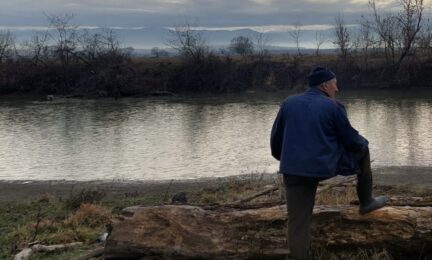
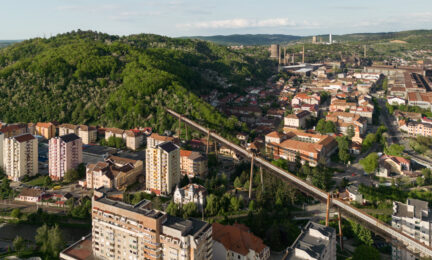
(Photo 1, Xplorate Group // Photo 2, Alex Todirică)
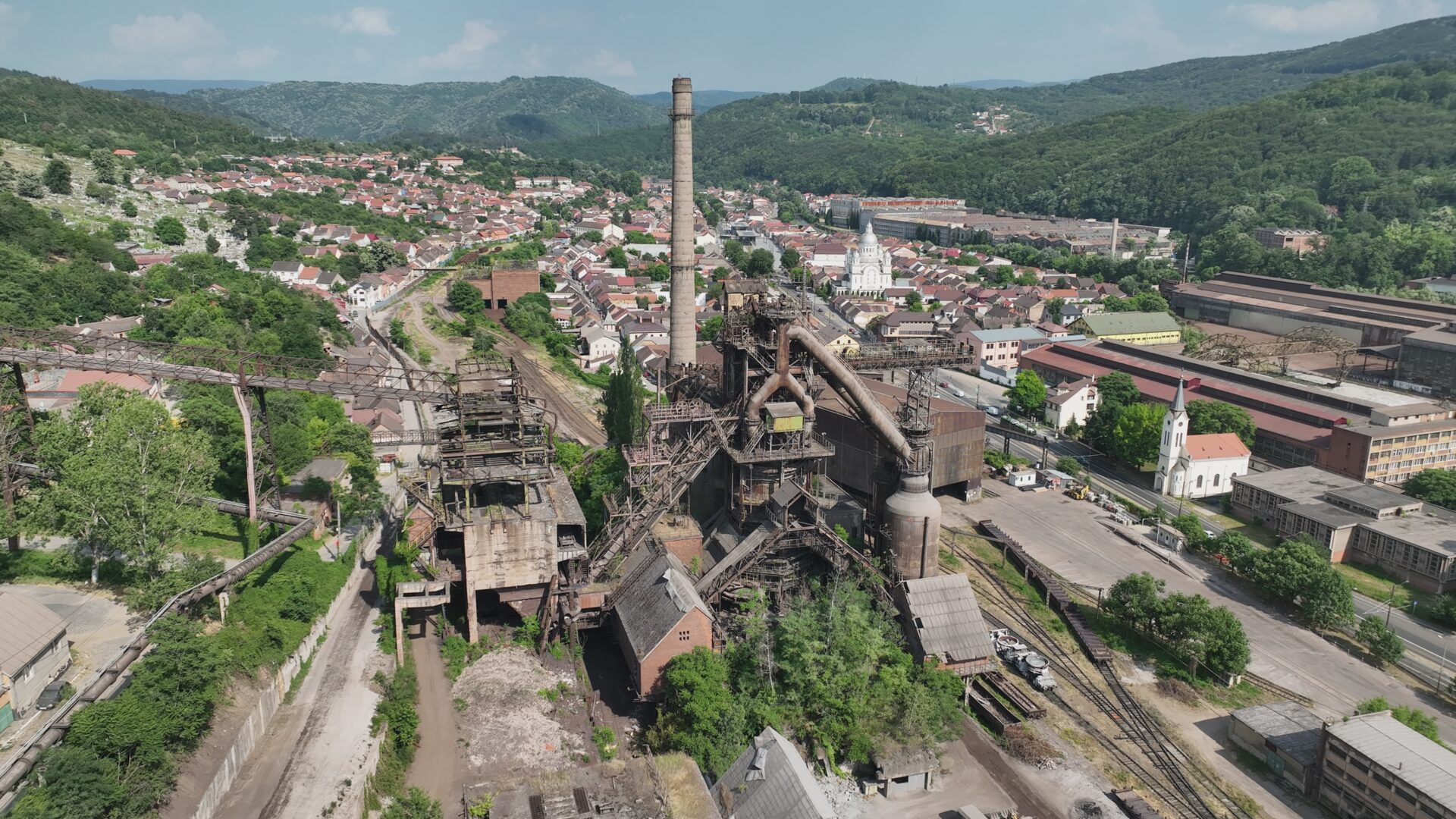
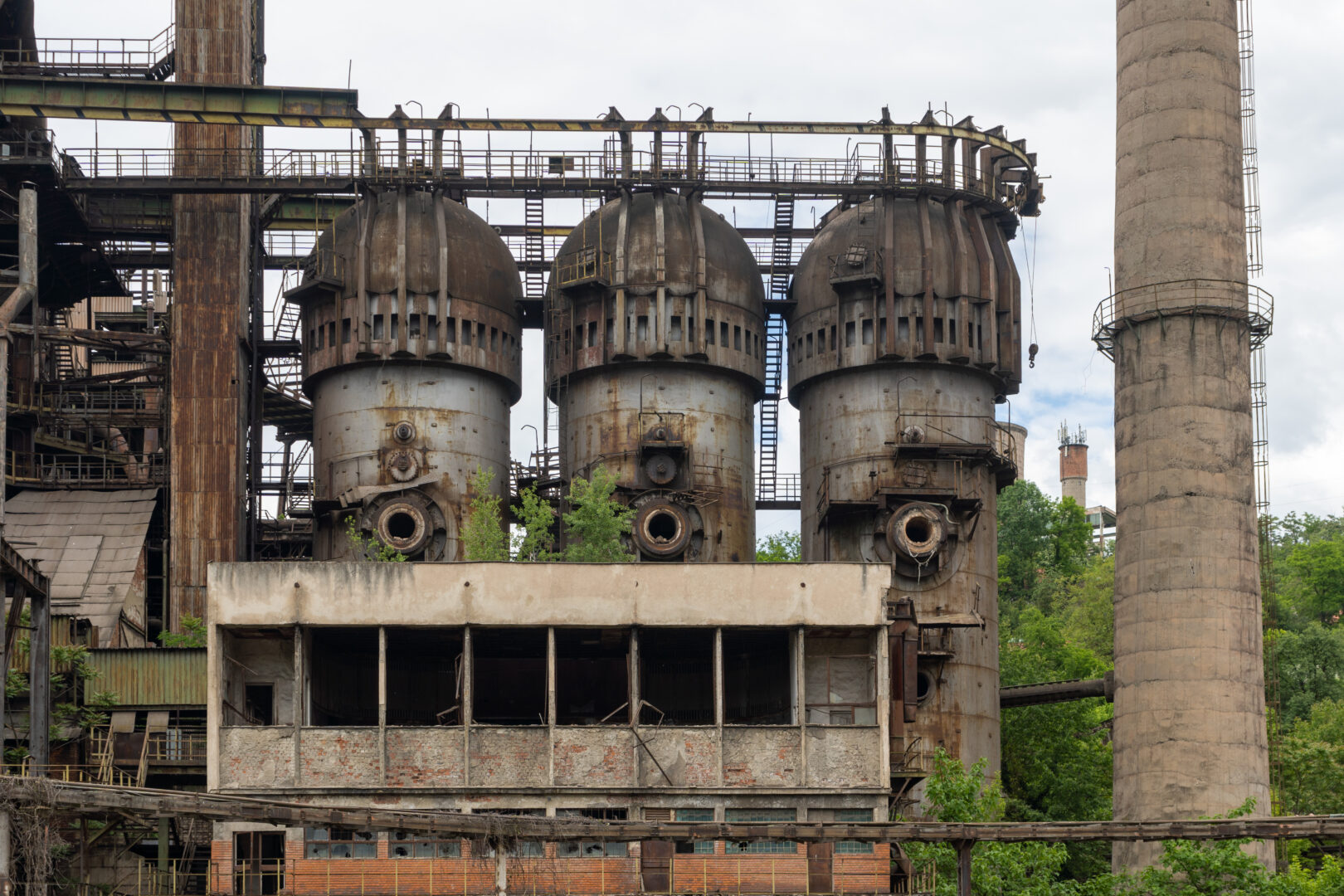
These are legitimate, profoundly human questions that transcend urban regeneration and may never find answers that everyone agrees on. But they’re questions worth awakening the furnace for, even if just for a weekend, to discover what this place has to say and what stories the people who knew it have to tell. Therefore, we created a framework for collective reflection, debate, and exploration – a chance to understand the furnace’s history and examine its heritage potential for the community and city, all while acknowledging the ongoing industrial activity at the site. We designed varied formats for community engagement and dialogue between two major groups of experts: the city’s residents, its true storytellers, and professionals in architecture and urban regeneration.
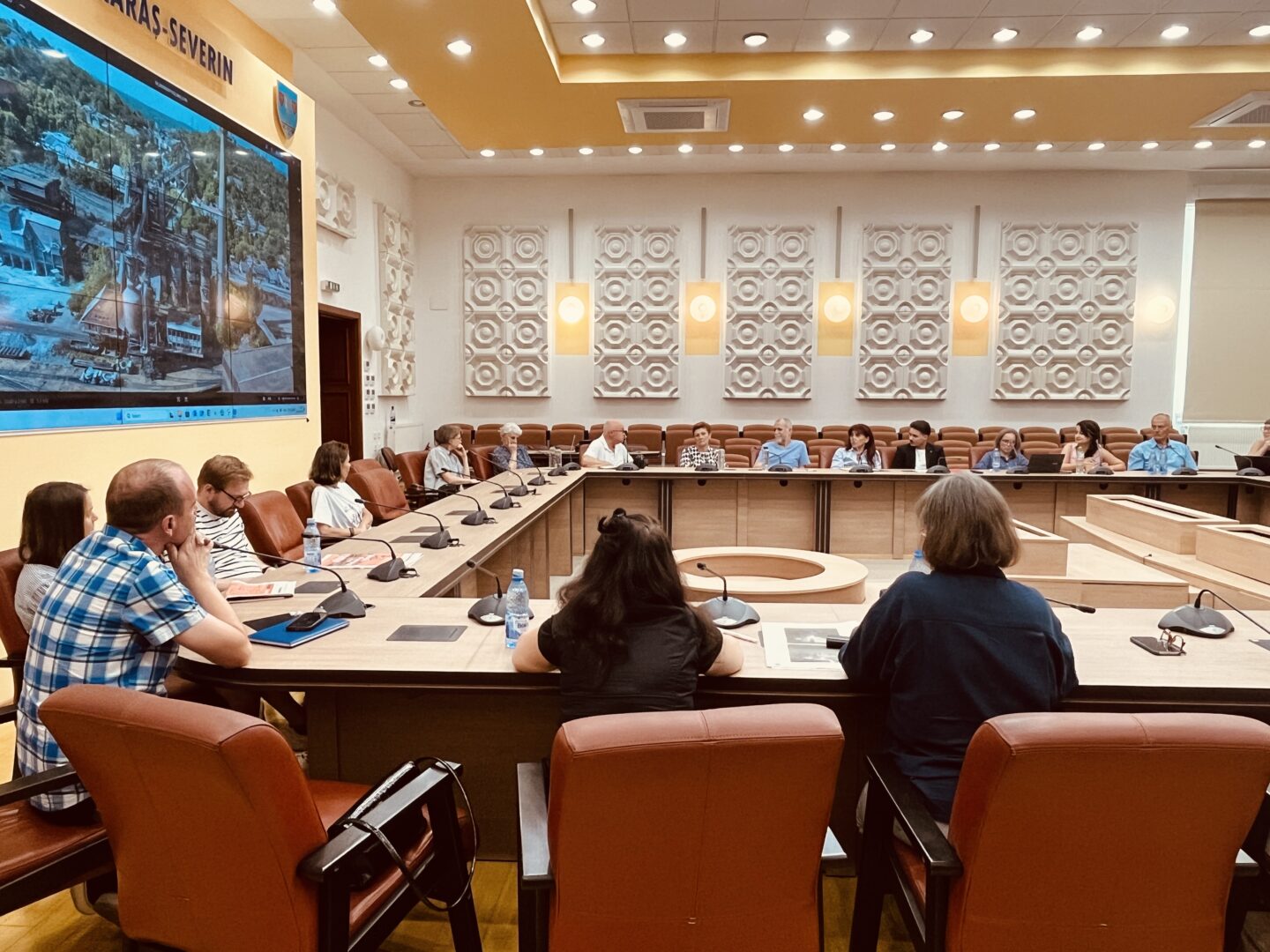
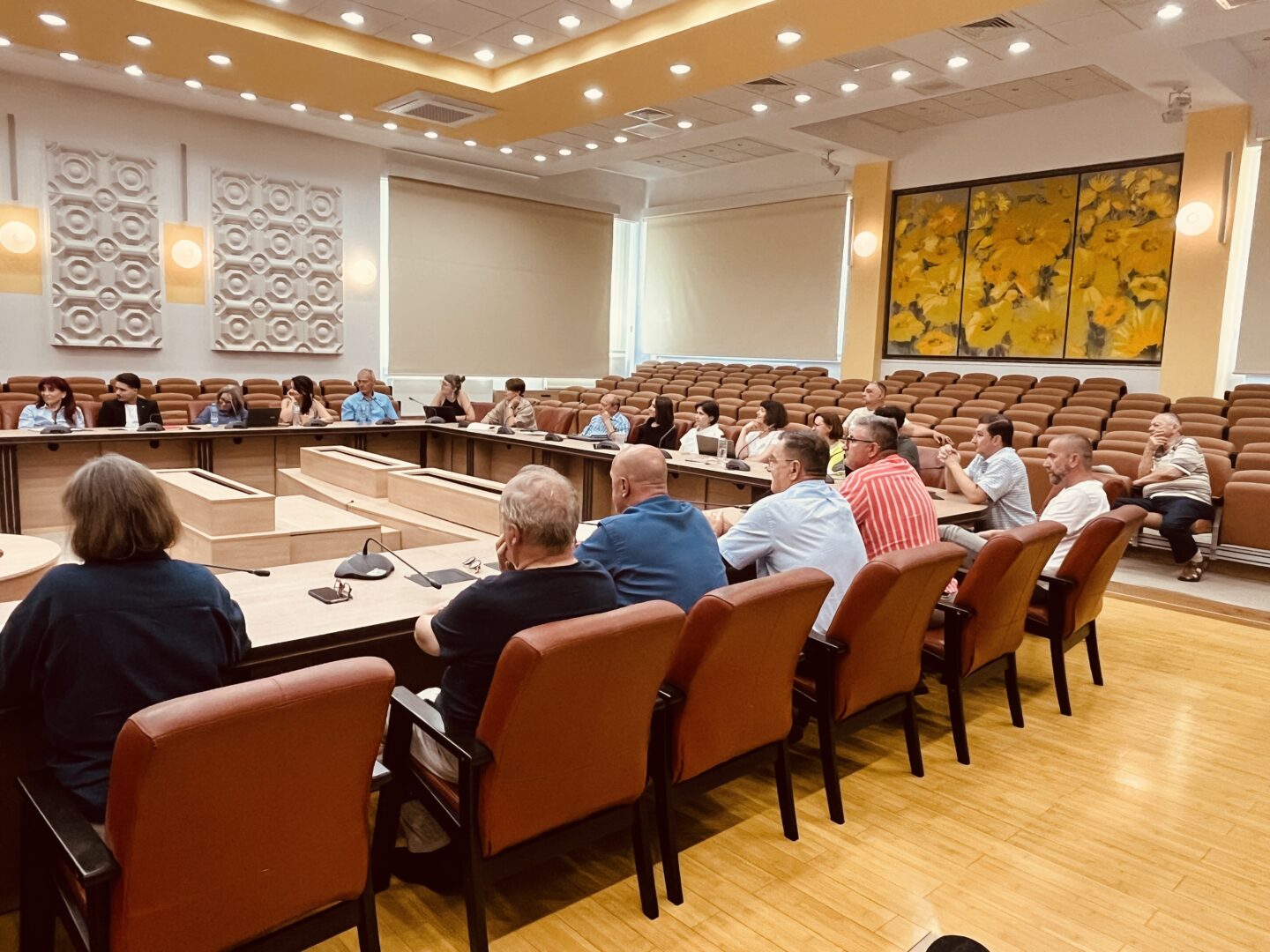
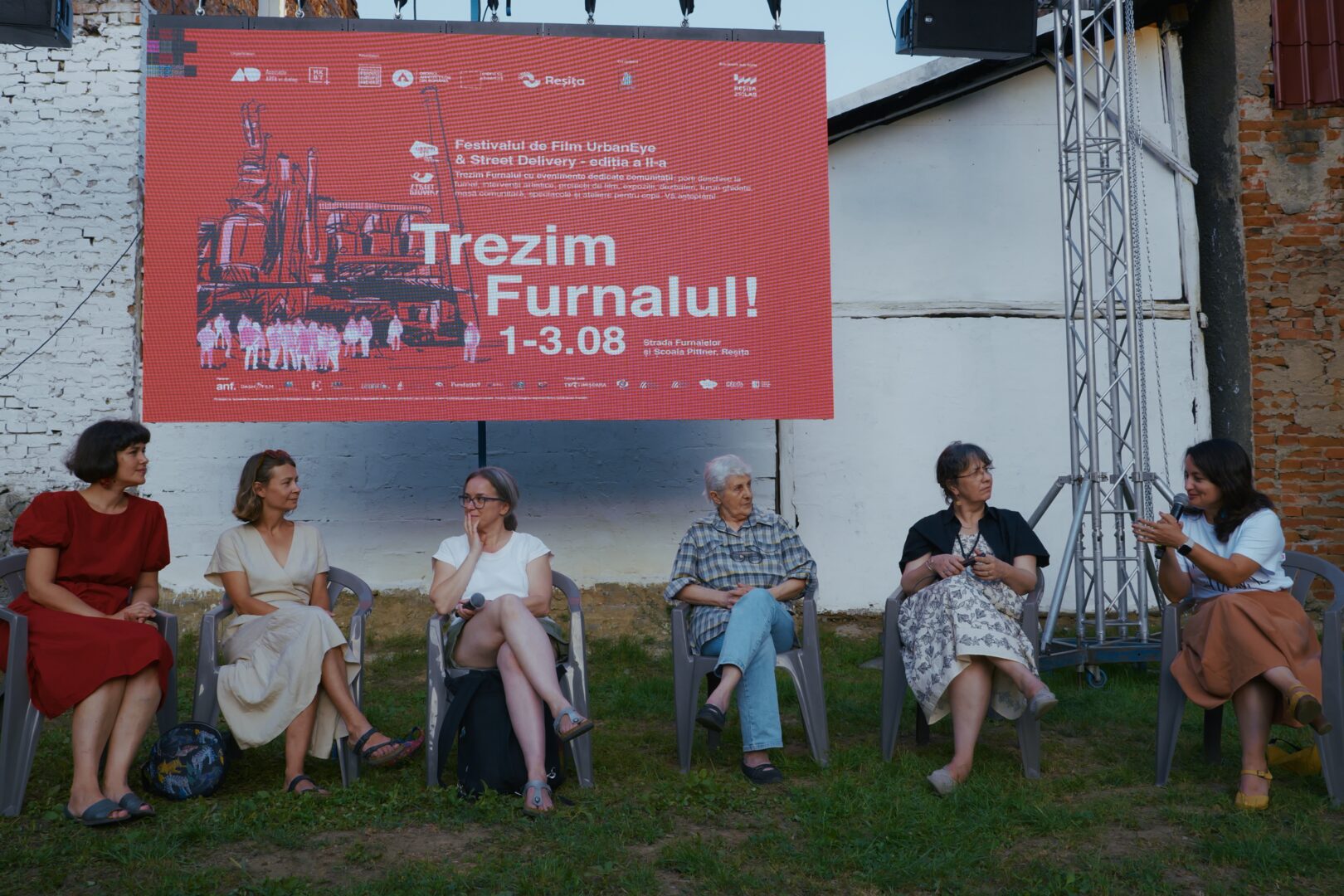
We launched the event with a press conference and roundtable discussion, bringing together diverse stakeholders invested in the furnace’s fate: representatives from the mayor’s office, county council, Artrom Steel Tubes, the National Heritage Institute, the Order of Architects, the County Directorate for Culture, architects, and heritage specialists. We discussed concrete possibilities, how the furnace can remain relevant to the community, and how each participant can contribute. One thing became clear: we need to be patient. We saw this with the funicular, whose conversion has been discussed for over 10 years. We’ve also seen it in the experiences of other countries we visited through our program.
We continued with “Open Doors at the Furnace,” a first-of-its-kind event for the Reșița community and visitors alike. The electric furnace and continuous casting were nearly as impressive as the stories shared by employees and locals who intimately knew the multiple lives the furnace has lived (and who once bathed in the water cooling tower). Our gratitude goes to Artrom Steel for their openness, availability, and generosity in sharing their operations and the furnace’s “secrets.”
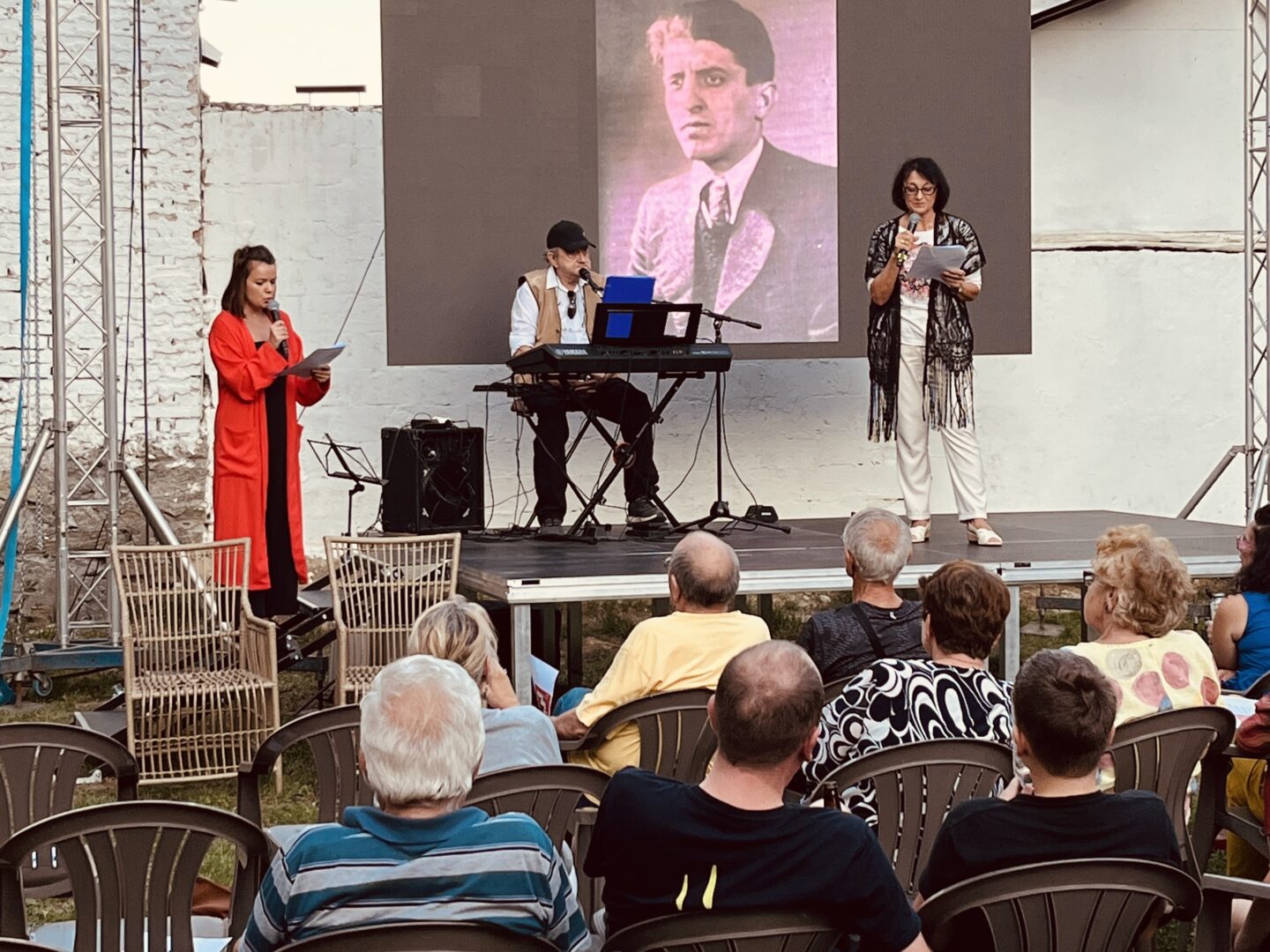
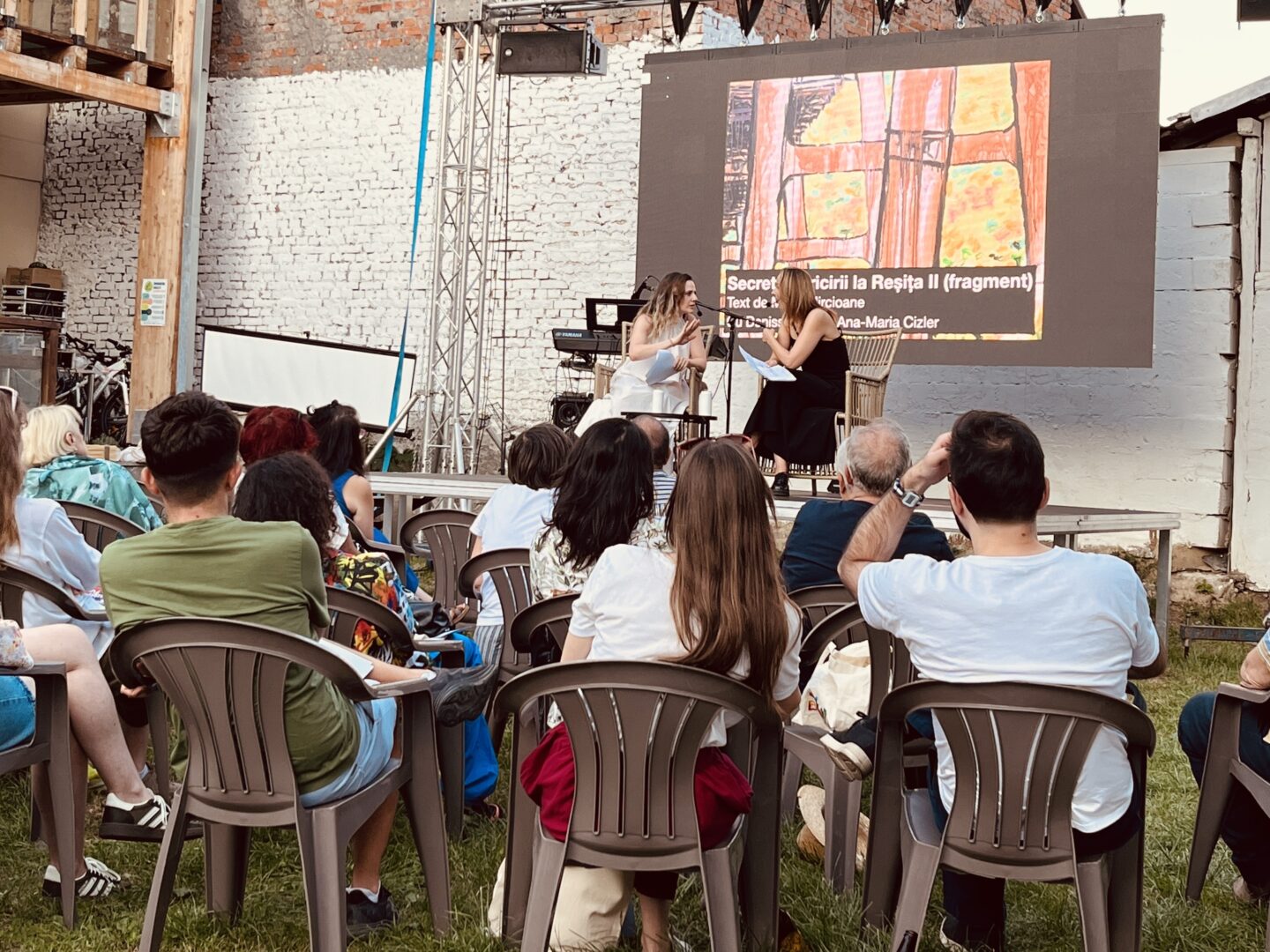
The first evening opened with a “fire show” created by the Oral Histories Group, an interdisciplinary evening dedicated to the community and local history. It wove together workers’ stories with improvised industrial poetry, theater, and performative readings, brought to life through collaboration with former furnace workers, their descendants, local artists, and actors from the West Theater Reșița.
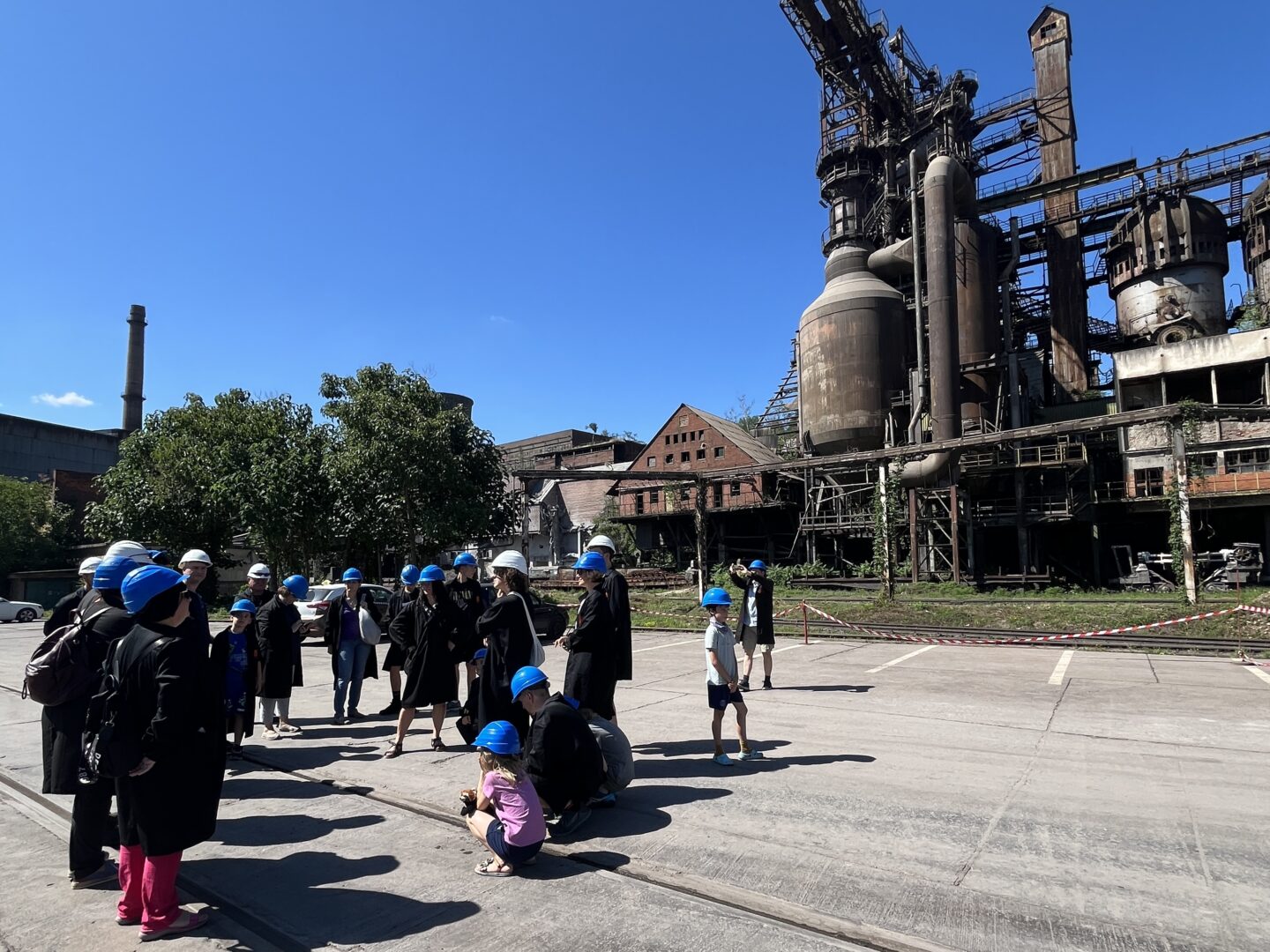
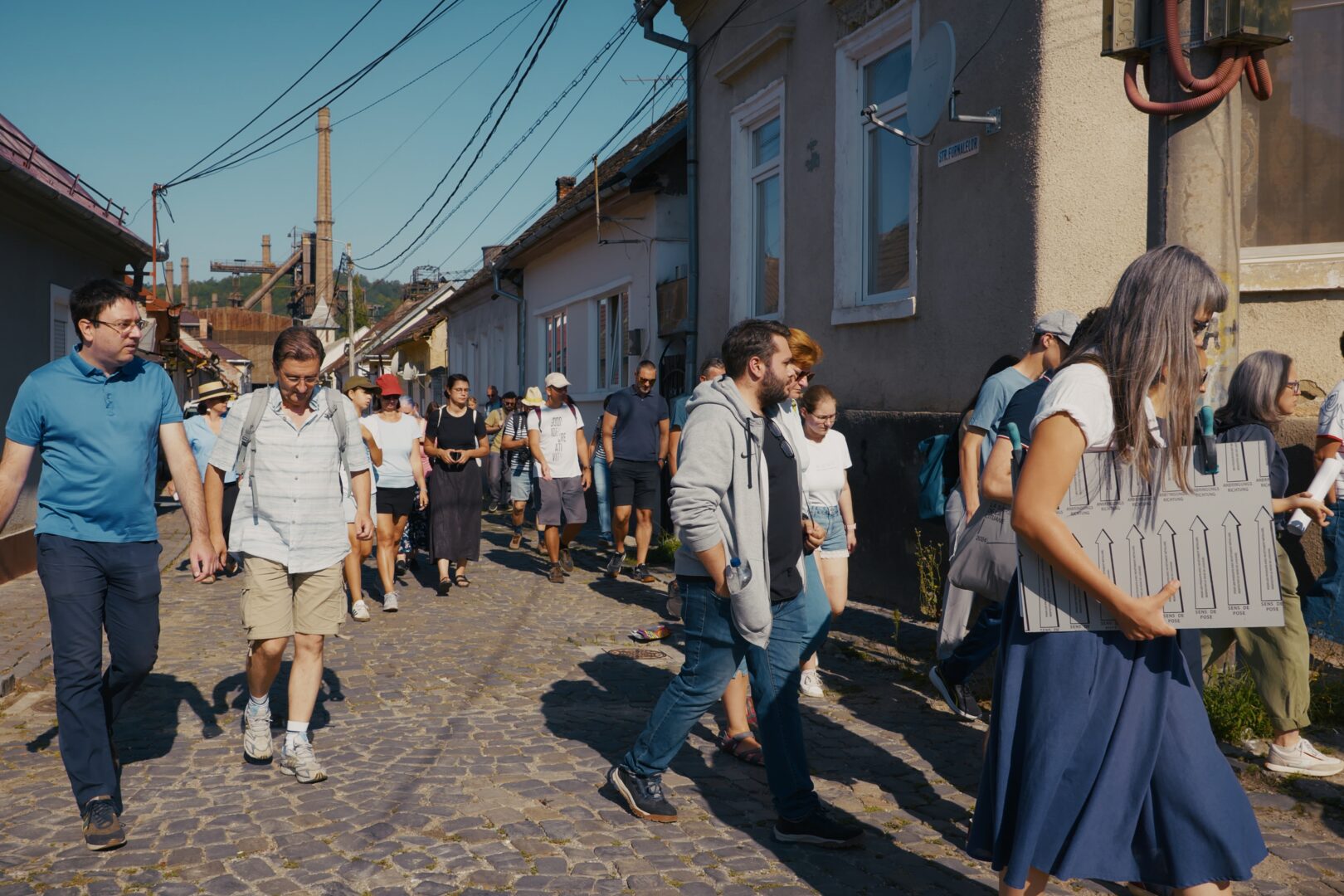
Saturday morning, we explored the historic heart of the furnace area on foot with Maja Bâldea and Andrei Bălbărău (with valuable additions from Andrei Szabo of Euroland Banat), tracing how the furnaces and city life have continually shaped one another, creating a unique and complex socio-cultural fabric.
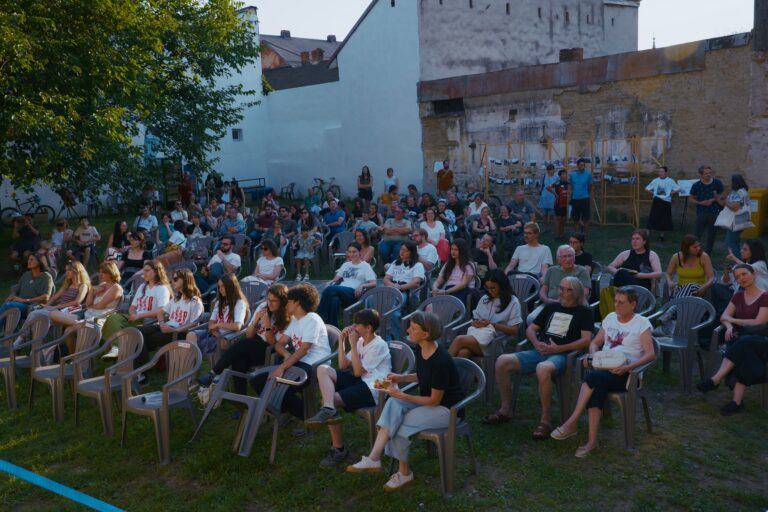
Public space interventions unfolded throughout the week, accelerating during the August 1-3 weekend, animating not only the furnace area but also the Pittner School Cultural Center, a recently revitalized heritage building now open to the public. It was no coincidence that the entire event took place near the school, a space that has historically served all segments of the population. Pittner School has a remarkable history of openness to the surrounding community (learn more at https://scoalapittner.ro/istoric/).
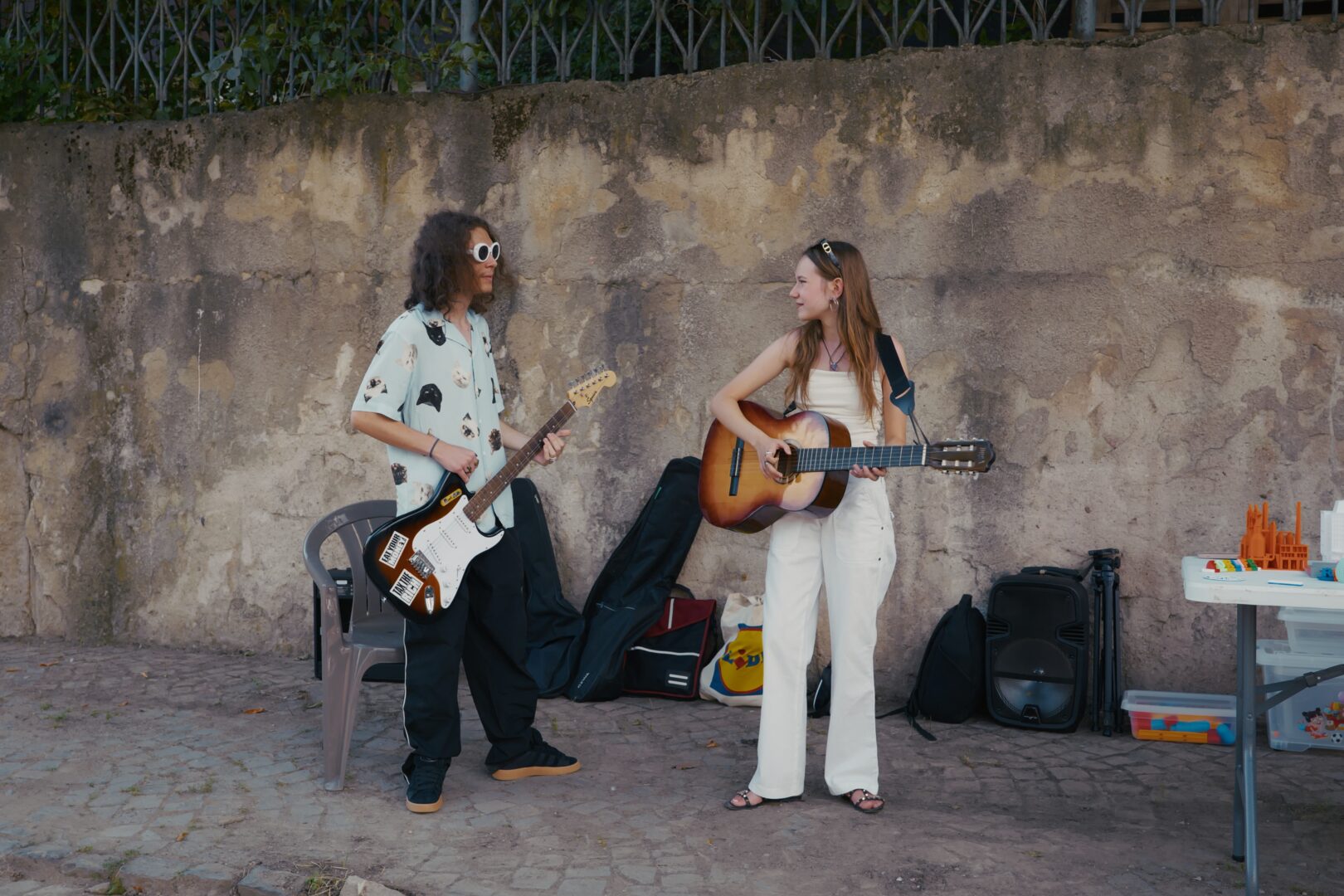
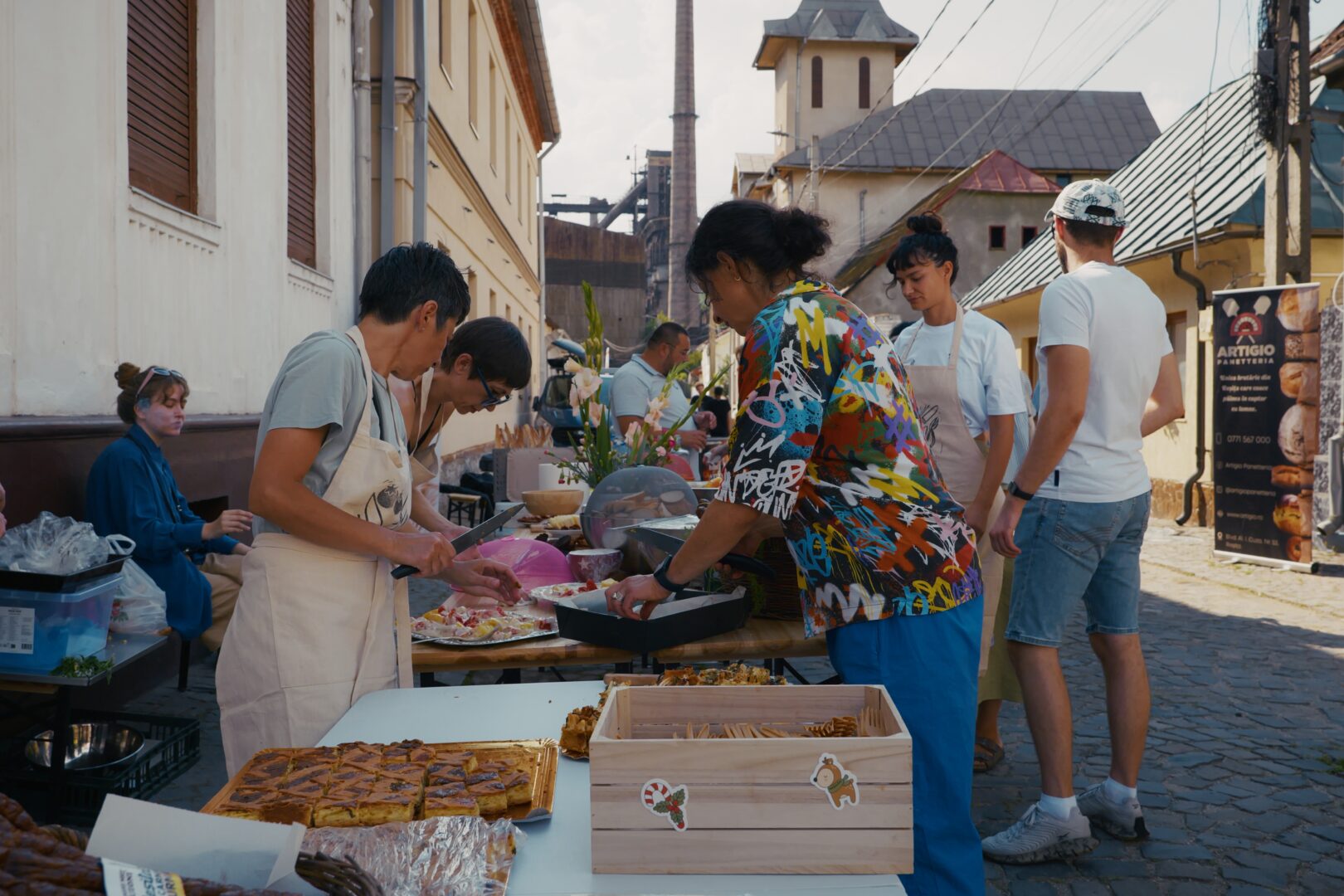
The event, co-organized with the Banat Mountains Community Foundation, was enriched by community stands and interventions from partners including the Volunteering 4 All Association and Nevo Parudimos, Fundația9, and teachers participating in the Științescu Banat Mountains program. Other Reșița volunteers mobilized with bicycle repair workshops, a chess tournament, participatory painting (the collective mural was a huge success!), and photographic art. The community meal event, co-hosted with volunteers from Reșița, Fundația9, and Marii Mici Uzoni, became a wonderful opportunity to sit down with neighbors from Furnalelor Street and the broader neighborhood. Amid the smell of grilled food, good spirits, and the buzz of neighborly conversation, it was an event with a vibrant, organic format, where meeting and dialogue happened naturally, without a predetermined agenda or theme.
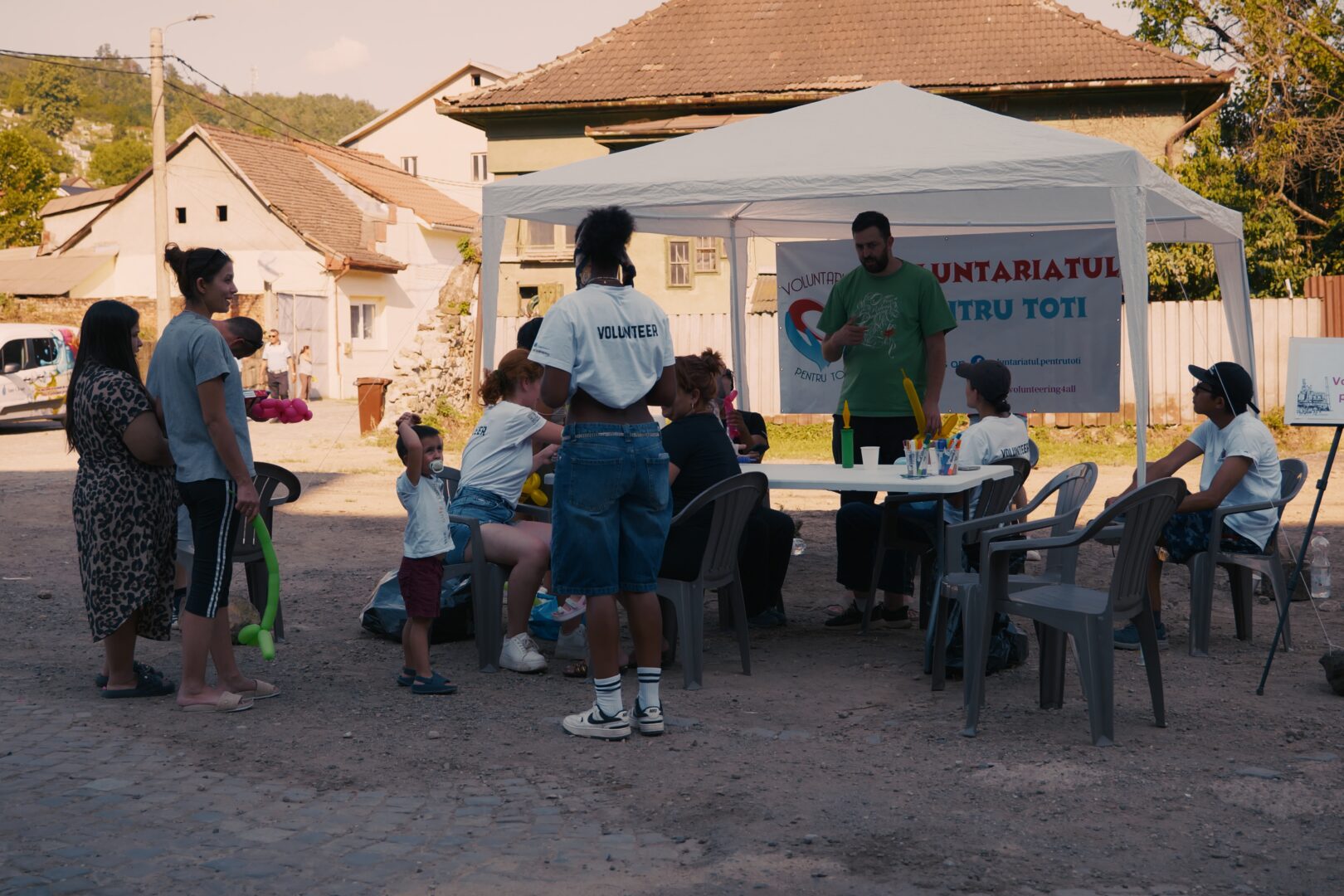
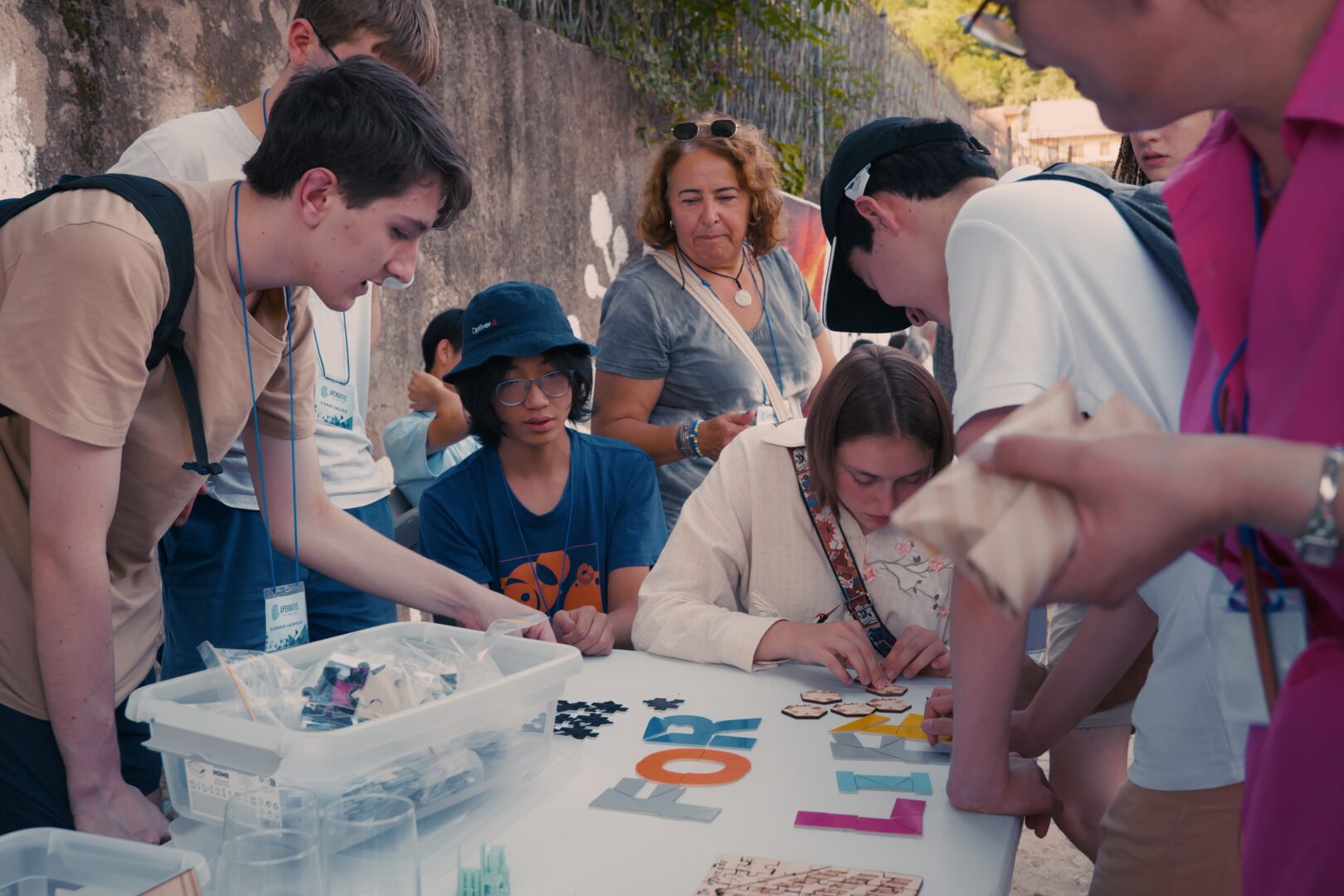
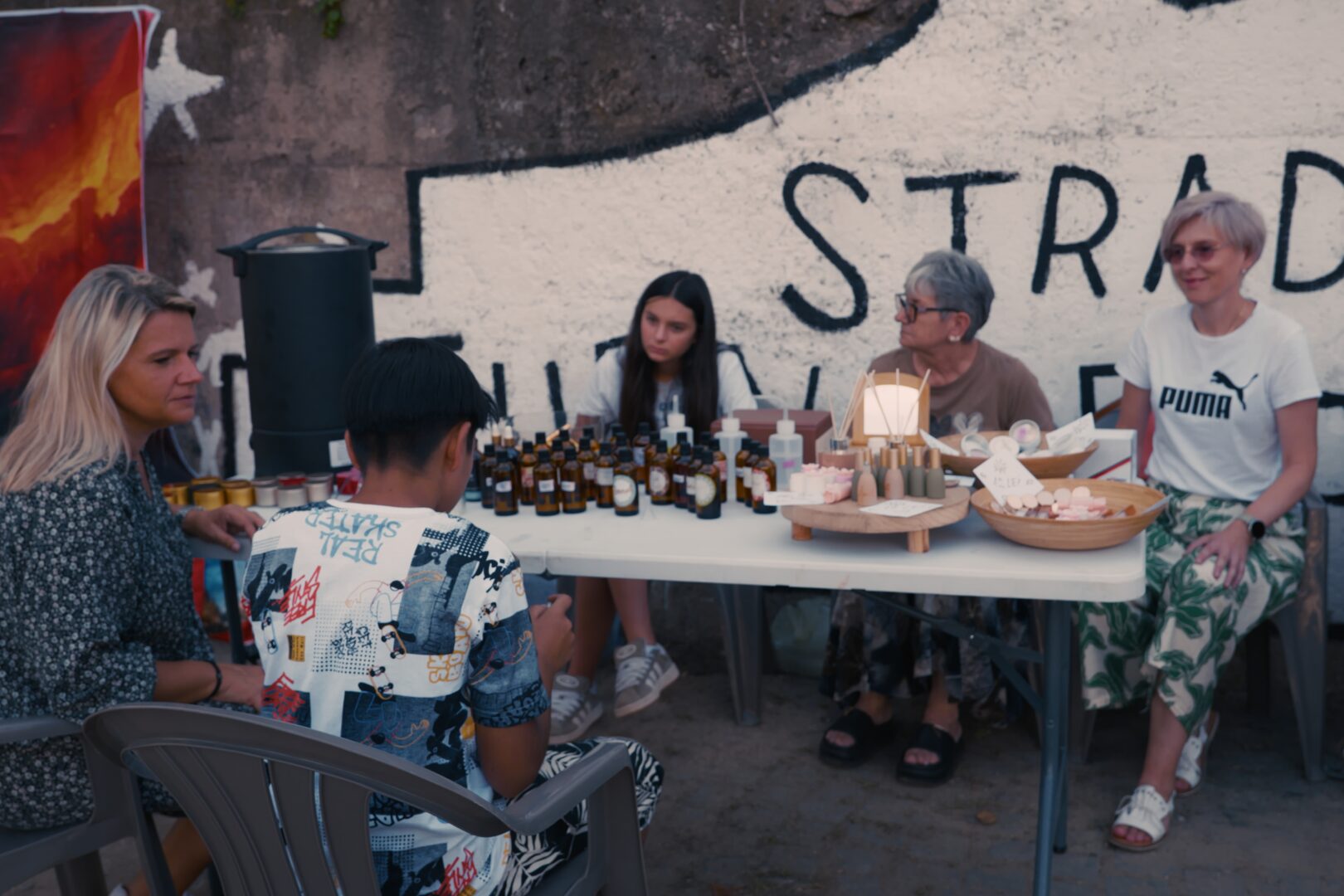
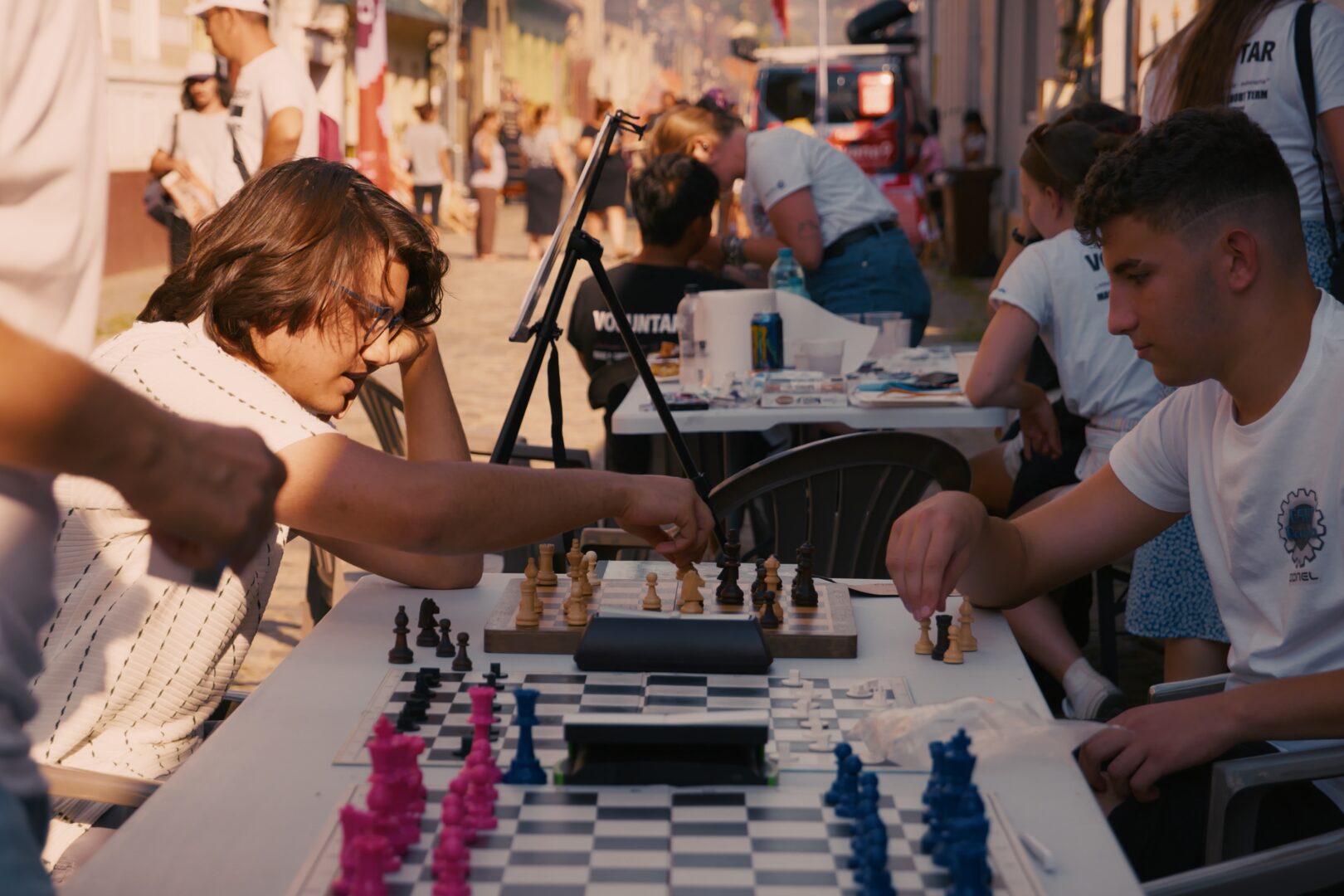
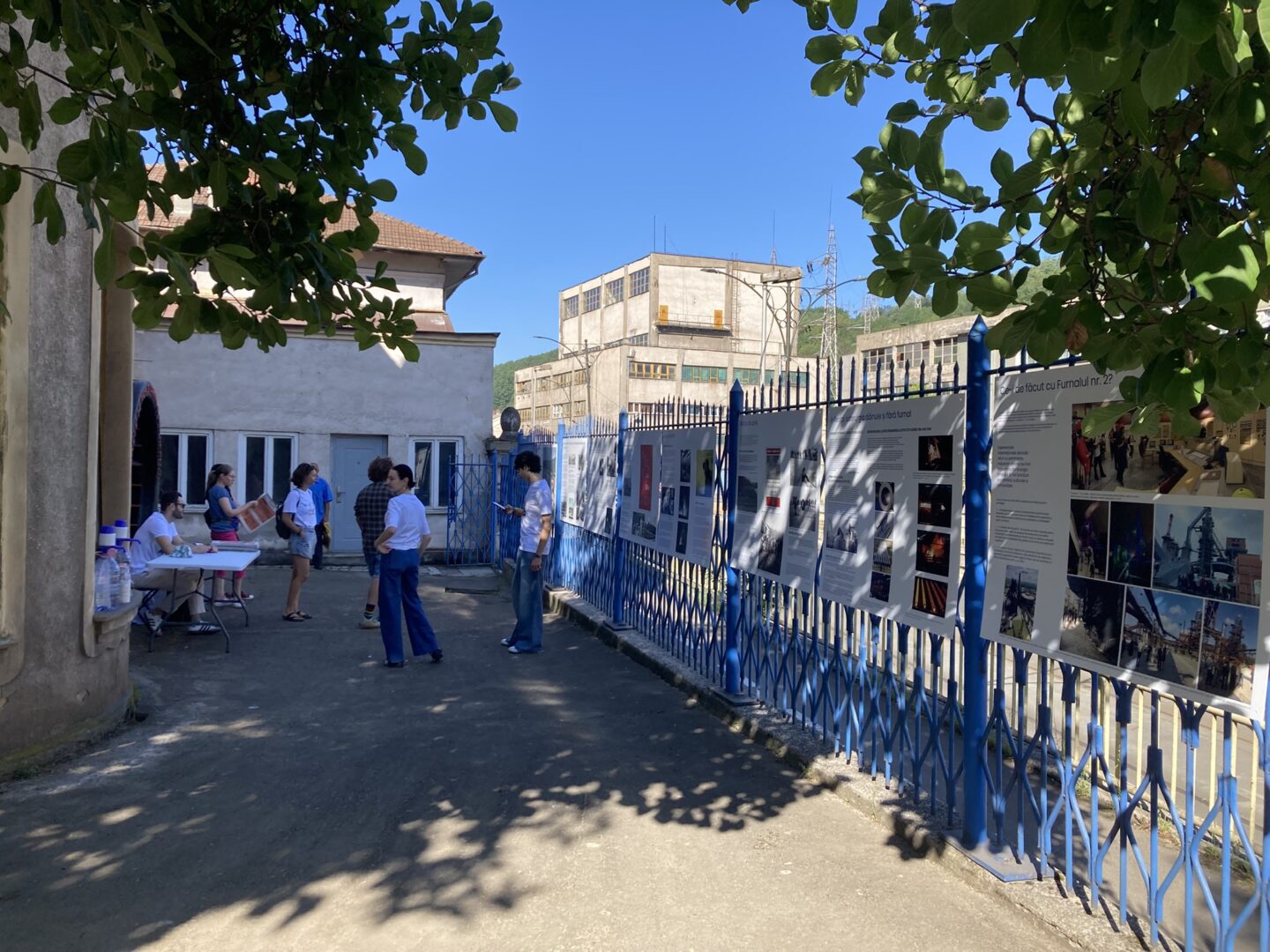
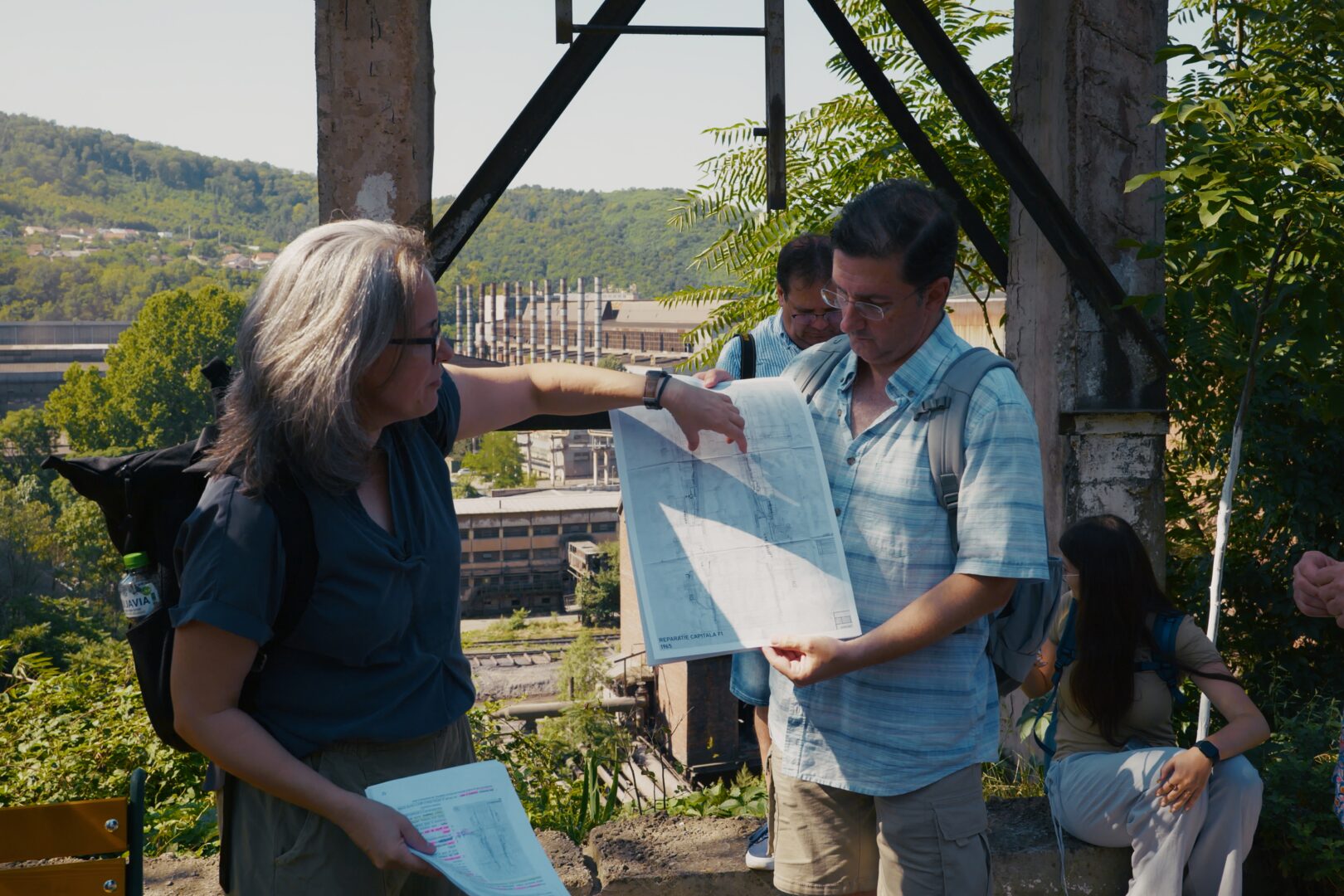
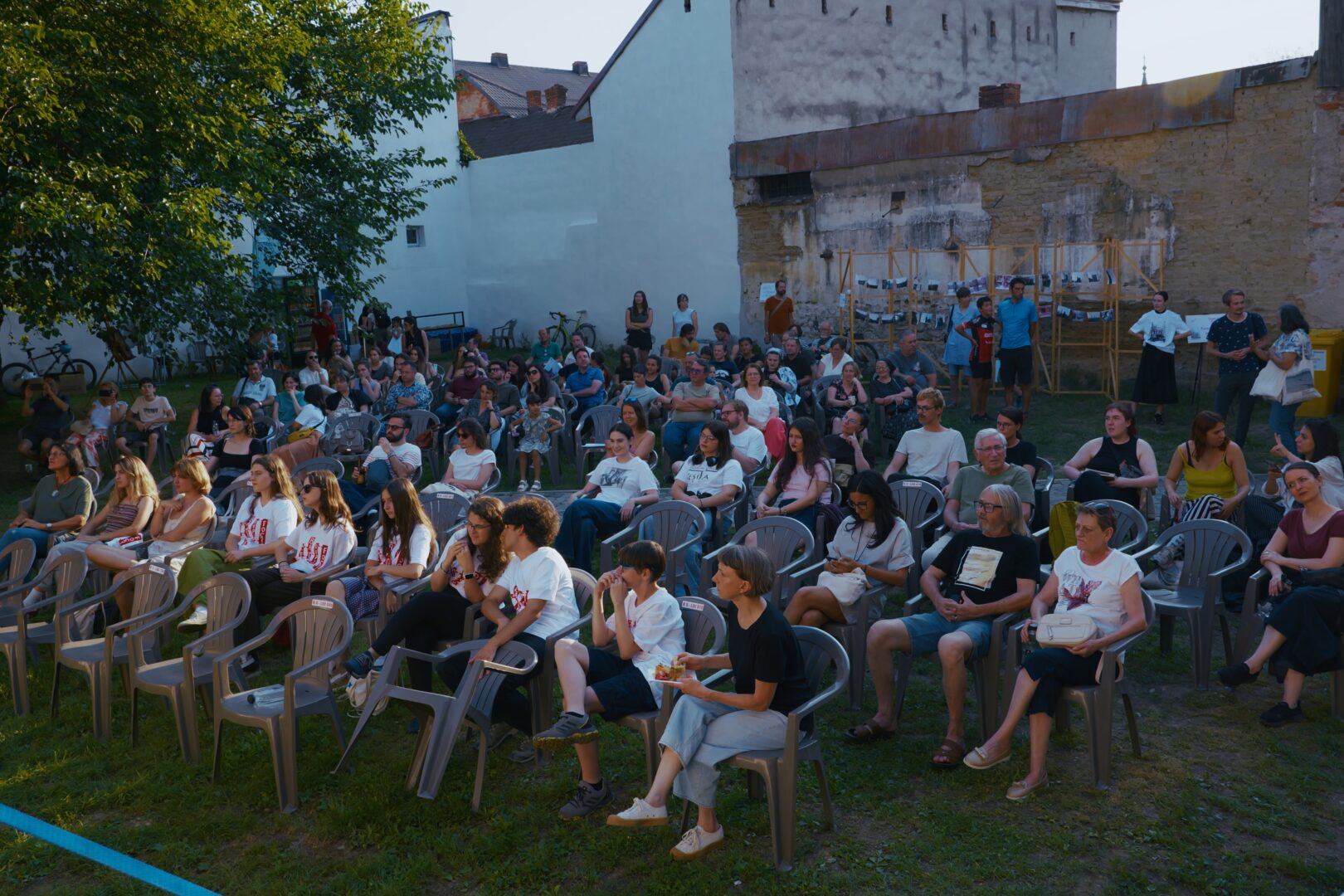
Public debates brought together architects and community members involved in the furnace’s classification or salvation, making the conversation about the furnace accessible and open, as it should be. Two significant initiatives ran in parallel: a photography exhibition integrating memories collected by the Oral Histories Group and the historical-architectural study of the furnace by architects Gabriela Domokos-Pașcu and Maja Bâldea. Archive photographs were drawn from the collections of remarkable photographers of Reșița’s industrial era, including Ioan Mato and Aurel Săndulescu (digitized and interpreted by the Amateur Filmmaker’s Museum), alongside recent series by Alexandru Todirică and Xplorate Group.
You can view the complete exhibition at muzeulvirtualresita.ro, HERE.
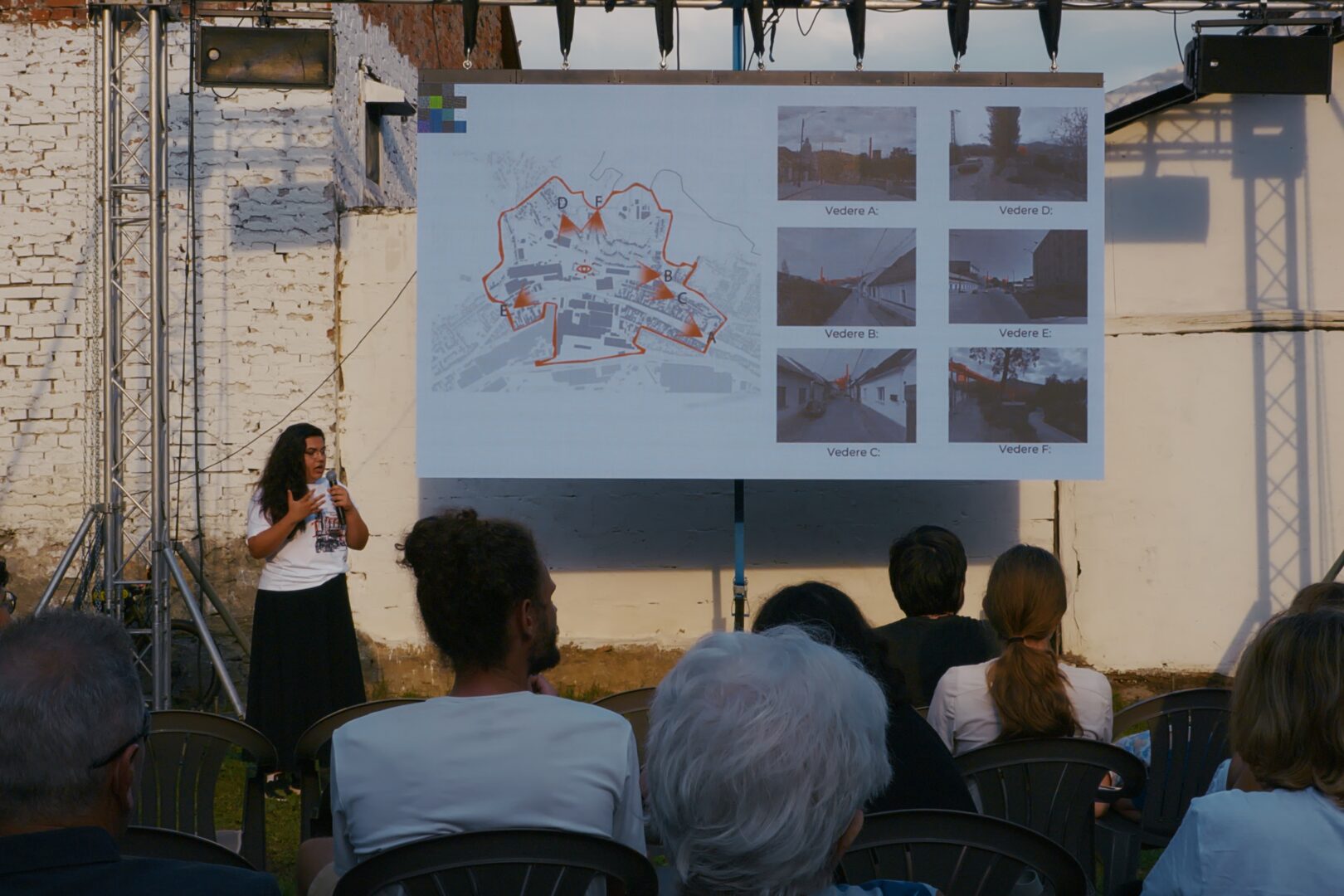
A week before the event, the architecture summer school organized by MKBT and the Non-Formal Spatial Planning Workshop began. Students and practitioners worked with maps, models, and 3D scans, guided by those big questions posed earlier. Under the mentorship of an interdisciplinary collective of specialists in architecture, urbanism, design, anthropology, and local community development, participants attempted answers in the form of functional conversion scenarios for the furnace at multiple scales:
- 1) macro scale – city level (the furnace in relation to the urban context),
- 2) intermediate scale (the furnace in relation to the industrial compound),
- 3) micro scale – architectural object level (the furnace in relation to community needs and expectations in a contemporary context).
The proposed revitalization scenarios demonstrate how creative and bold work with industrial heritage can be, opening up new possible lives for the furnace from this point forward (we’ll return separately with documentation of these scenarios). And lest we forget other contributors, you’ll see among the photographs children’s ideas about what the furnace’s new life could look like.
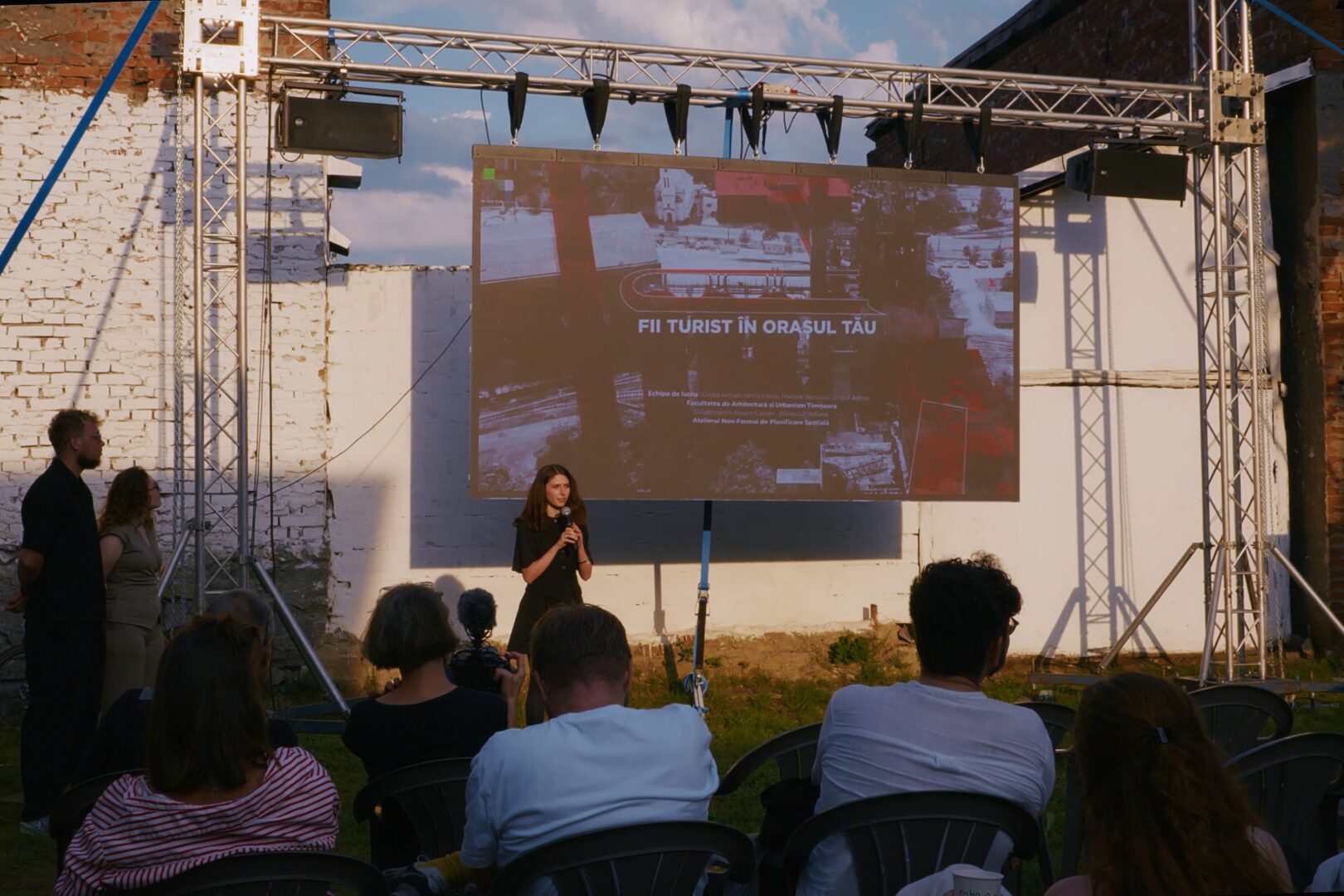
The UrbanEye Film Festival rounded out the palette of formats and interventions with documentary film screenings dedicated to heritage and urban transformations, participatory workshops for children and youth (with De-a Arhitectura), a performance created with children (with pianist Adriana Toacsen), and participatory design: community consultation on layout options for the viewpoint overlooking the furnace in the Rânduri 1 area.
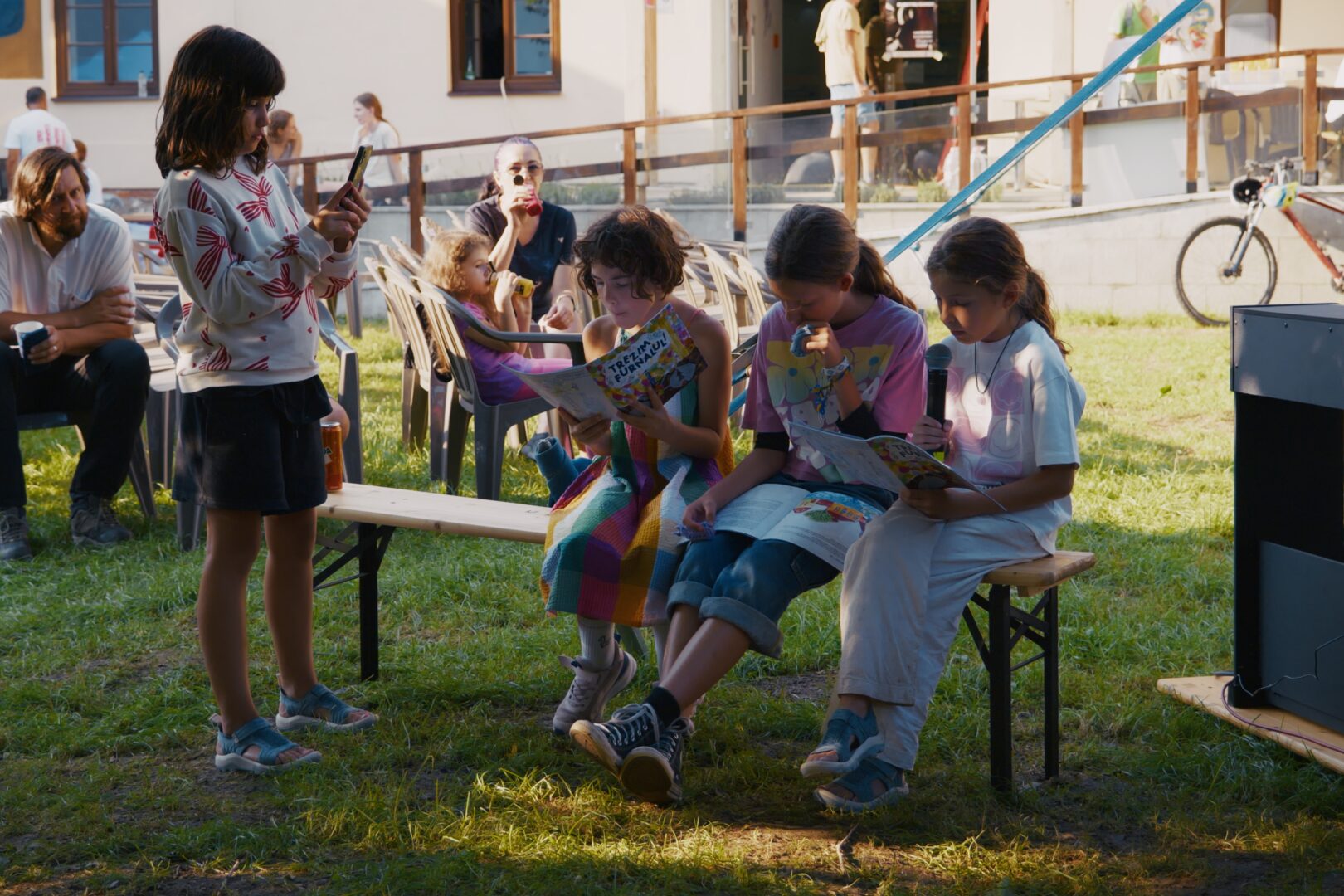
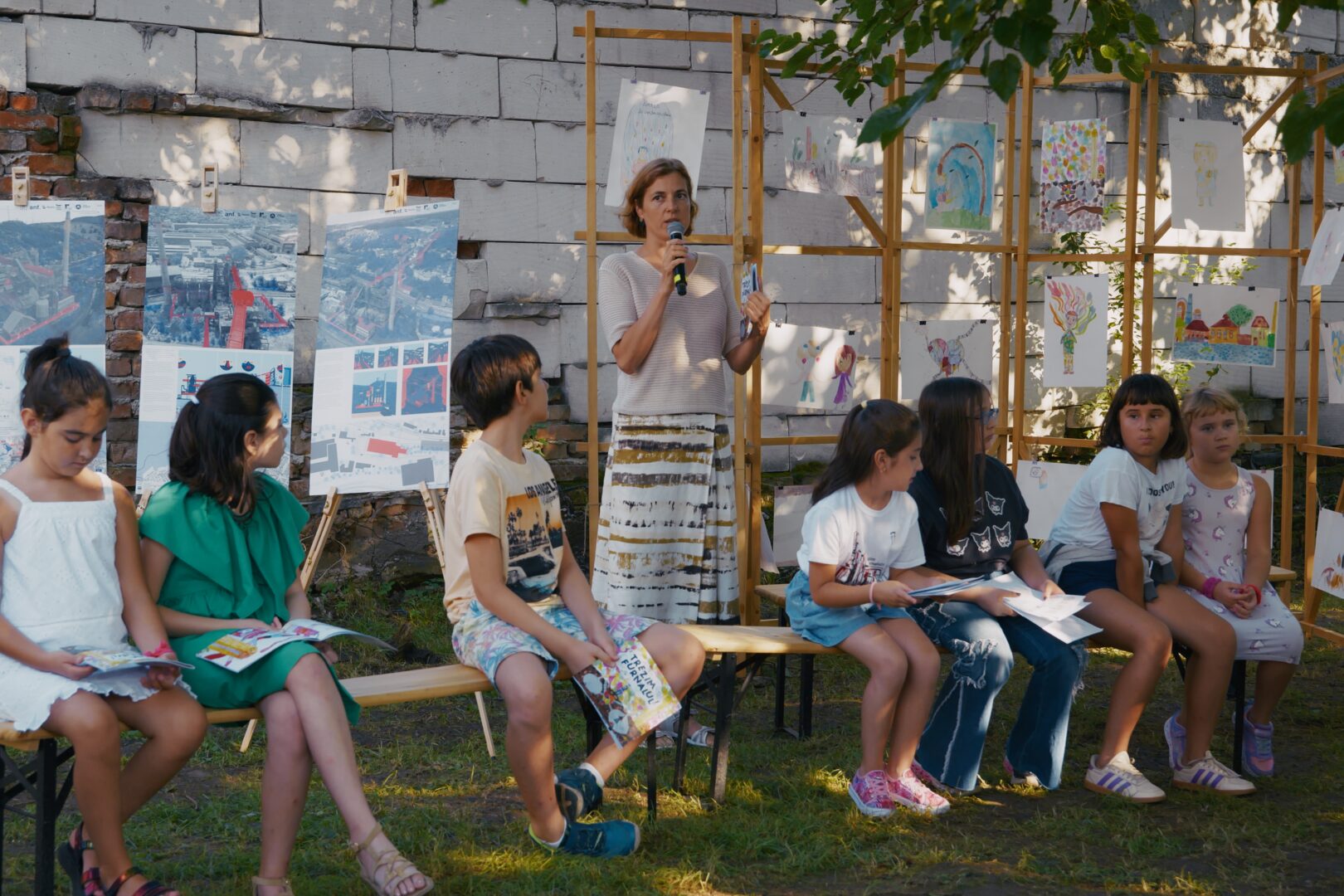
All of this was savored and thoroughly explored by attendees through the first edition of the newspaper “City, People, and Industry”, which we’ll continue in future editions.
What happens next?
Now that almost everyone has left Furnalelor Street, the expectation might be for the furnace to return to its deep sleep. But we believe the energy created on around this colossus won’t be easily forgotten. The scenarios from summer school participants cannot go without an echo. Surely there will be people who ask: What’s going to happen with the furnace from now on? While we prepare plans for the next steps, we hope this simple question keeps at least the fire of curiosity burning.
More photographs can be found in the album on our Facebook page.
The professional photographs were taken with great patience and attention by Mihai Butănescu. The rest were taken by our organizing team (with amateur enthusiasm!).
“Awakening the Furnace!” was organized by Make Better Association and Art in Dialogue Association, alongside partners: Amateur Filmmaker’s Museum, Banat Mountains Community Foundation, Pittner School Cultural Center, Non-Formal Spatial Planning Workshop, LittleImpro Association, Encore Association, De-a Arhitectura Association, Dash Film SRL, Fundația9, Nevo Parudimos, with support from the Municipality of Reșița and Artrom Steel Tubes. Media partners: TVR Timișoara, Banat Media, Radio România Timișoara, Radio Reșița, Scena 9, Zeppelin, IQads, RFI România.
The project “We Stand Together Around the Last Furnace” was co-financed by the National Cultural Fund Administration and Reșița Municipality, organized under the umbrella of Reșița 250 Lab – the urban innovation laboratory initiated in 2023 by MKBT, which acts as a catalyst for an ecosystem of co-creation, testing, and implementation of urban regeneration actions in Reșița.
UrbanEye Film Festival 2025 – second edition in Reșița is co-financed by the National Cultural Fund Administration, the Romanian Order of Architects through the architecture stamp, and Reșița City Hall.
***
This project does not necessarily represent the position of the National Cultural Fund Administration. AFCN is not responsible for the project’s content or how the project’s results may be used. These are entirely the responsibility of the funding beneficiary.