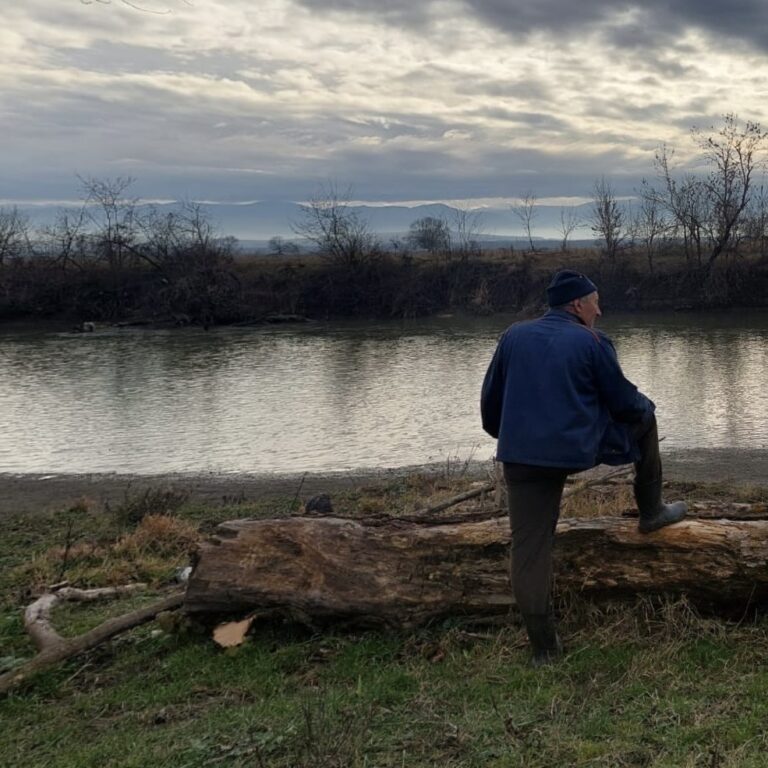
In September 2025, we returned to the Olt River in Țara Făgărașului with renewed focus — this time through “OLT: People, Places, Time”, a project designed to generate momentum: attention, dialogue, knowledge, and partnership for the Olt. We came in with a few burning questions: what is the relationship between people and the Olt? What does the river mean to the communities living alongside it? What does the future of the Olt in Țara Făgărașului look like, and who is helping to shape it?
Six months in, we have some answers that point toward what a better integration of the river into public life and the identity of riverside communities could look like, which encourage us to keep mobilizing.
Our work so far
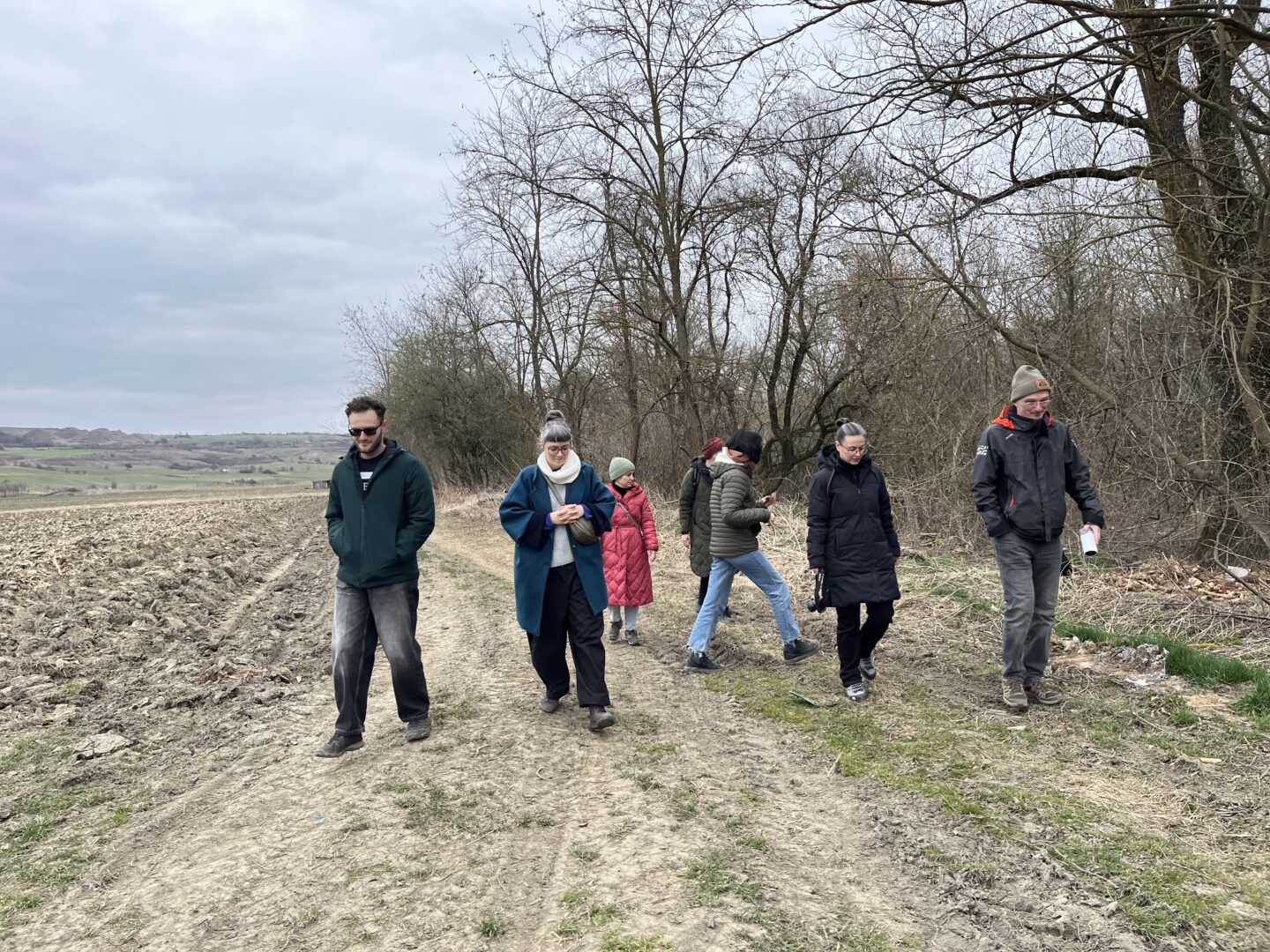
We did our research on the ground. Together with an interdisciplinary team comprising an anthropologist, biologist, storyteller, ecologist, photographer, and local guide, we explored the Beclean–Făgăraș–Șona–Hălmeag stretch of the river in multiple iterations and varying combinations of expertise. We documented the river from the bankside and at ground level (actually, sometimes from inside a car, on top of a hill), identified areas of high biodiversity, potential water access points, and places where the connection between community and water persists — or, on the contrary, has been irreparably severed.
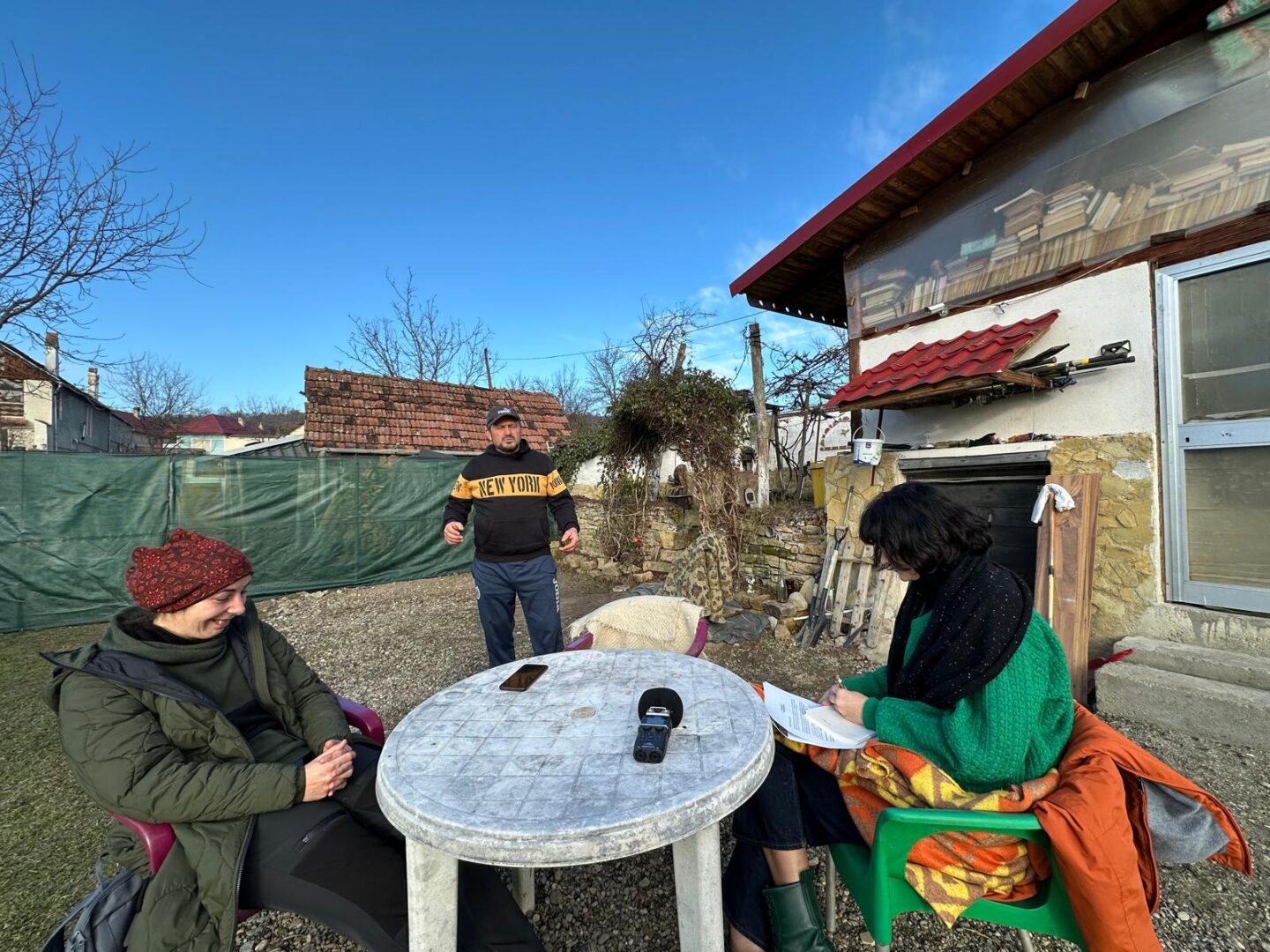
We listened to people. We gathered stories, memories, and local knowledge from dozens of residents, spanning from fishermen, farmers, and people who grew up on the Olt and know it like the back of their hand, in ways no map can capture. From these conversations came the raw material for the biocultural study, now nearly complete, which documents the relationship between riverside communities and the river: what it once was, what has been lost, what remains, and what might be rebuilt.
We worked with schools and teachers. Together with local educators, we are developing and testing an experiential place-based methodology based on the Olt River. After several training sessions in place-based education (led by MKBT) and inquiry-based learning (led by our partners at Rubik School) and nature education, with friends from Schubz, teachers are now piloting a pedagogy that takes students out of the classroom and puts them in direct contact with local resources, as well as the questions and dilemmas that define the places they live in. Students go outside, observe, feel, explore, and meet people who hold an enormous knowledge of these places and this water, making their own subjective memories with the river in the process. The methodology we are creating will be published as open-source, ready for continuous adjustment, and available to any school in the region that wants to use the river as a learning environment.

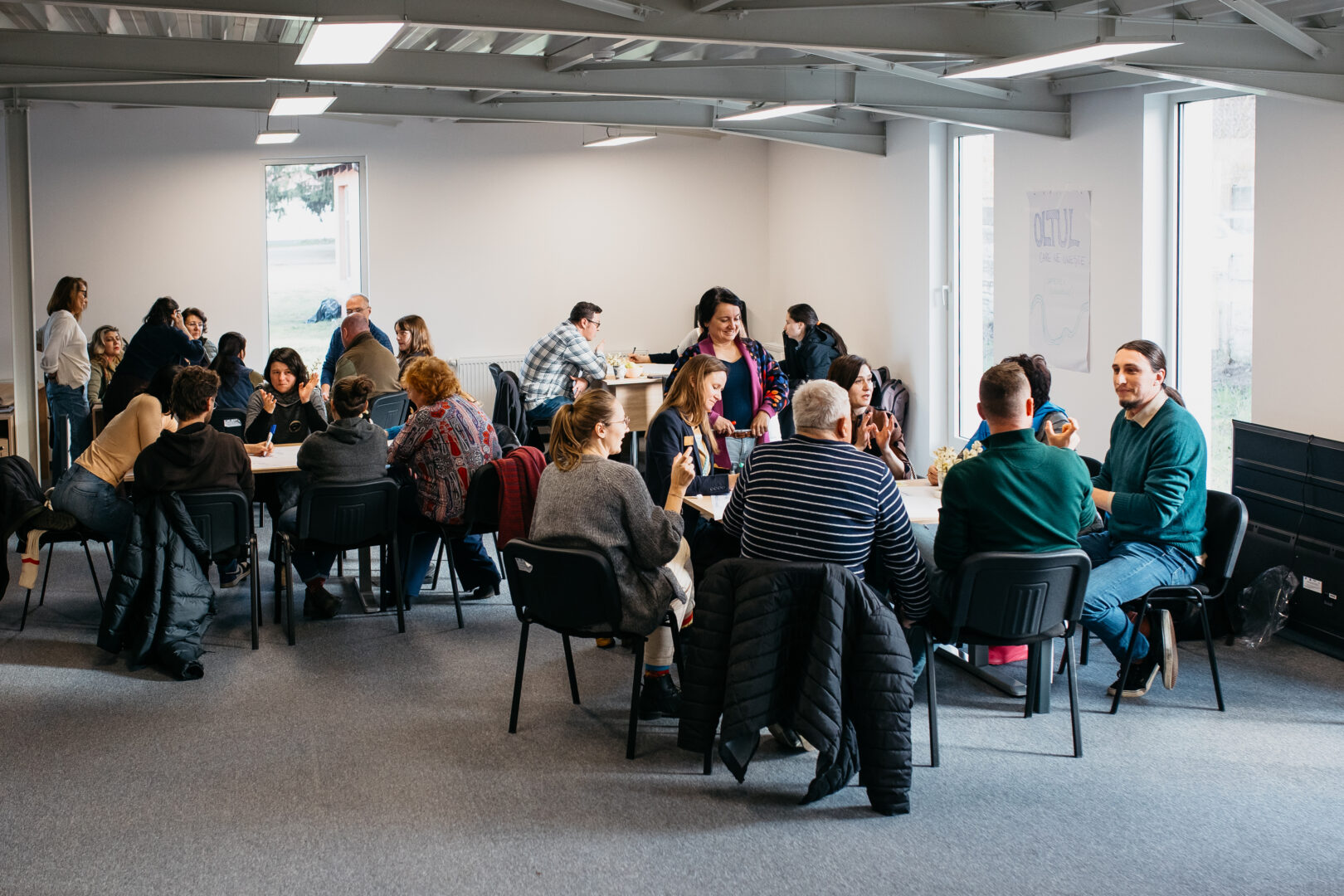
We facilitated a multi-stakeholder dialogue on several occasions. On February 9th, we organized the first Olt River co-governance meeting in Făgăraș, bringing together municipalities, water management institutions, NGOs, entrepreneurs, researchers, and citizens. On March 20th, we continued with a community café attended by approximately 35 people, who worked together around five themes: access to the river, water quality, emotional connection to the Olt, flooding, and untapped economic potential. We are grateful to be working on a topic that has the power to bring people to the table and draw in ideas, creativity, and voluntary effort. People genuinely want to reconnect with the river and care for it better and they are willing to contribute personally to a vision of the Olt as a resource for the community.
What we’ve learned so far
The Olt River matters and lives strongly in collective memory. More often than not, people’s current relationship with the river today is fragile and fragmented, with significant imbalances in access and engagement. This fragility plays out differently from one area to the next and is the accumulated result of several layers of neglect and socio-cultural shifts. People no longer need the river the way they once did, and in the absence of easy access and meaningful uses that respond to contemporary life, they have drifted away from it — first physically, then emotionally. The lack of bridges, the overgrown banks, the absence of footpaths, and the lack of a simple place to just sit by the water have, over time, led people to treat the river as a backdrop, or worse, as a waste dump. There is also a rupture in the transmission of river knowledge and customs, accelerated by depopulation and a different way of life that leaves less room for the senses and for deep familiarity with place. Civic engagement around common goods remains fragmented and insufficient without a coherent, politically owned local strategy. Educationally, the river receives little attention, though many of the teachers we met carry vivid memories of using the river and the joy of socializing on its banks, while some students have a surprisingly intimate knowledge of the Olt, from fauna and flora to swimming spots and family stories.
At the same time, people know exactly what they want to do on the Olt. Simple docks. Minimal themed trails. Informational signage. Places where children can make their own memories by the water. Initiatives that make use of the river without degrading it. A coherent structure that holds together all the disparate efforts already underway in the region. And, as one of the river’s friends put it, “small, gentle actions at the river.”
What’s next
The project is now entering its public visibility phase. In June, we are organizing activations and events on the Olt together with Asociația Ivan Patzaichin – Mila 23 (Rowmania), Făgăraș Community Foundation , Albastru (powered by Diana Iabrașu) and Șona Noastra Association, and launching the exhibition dedicated to our research. Also in June, the third co-governance meeting will take place, where the working group will continue building a collective vision for the Olt in Țara Făgărașului for the years ahead.
The biocultural study, the pedagogical methodology, and the documentary materials collection will be available online by summer. Stay tuned.
The “OLT: People. Places. Time” project is funded by Raiffeisen Comunități, through the NGO Sustainability Accelerator, a Raiffeisen Bank Romania initiative, supported by the Association for Community Relations.