In the Open! program, we work with people who are passionate about built heritage—historians, cultural project coordinators, local community members, and leaders of organizations who have taken on the care of remarkable sites, predominantly in rural areas.
The working life of a heritage steward is, however, merely a fleeting moment in the timeline of a heritage building that may have centuries of existence behind and before it. The real challenge is to build organizations that don’t depend on us individually, but that endure through time, carrying forward the mission of caring for heritage and finding the means and resources to sustain this journey from one generation to the next.
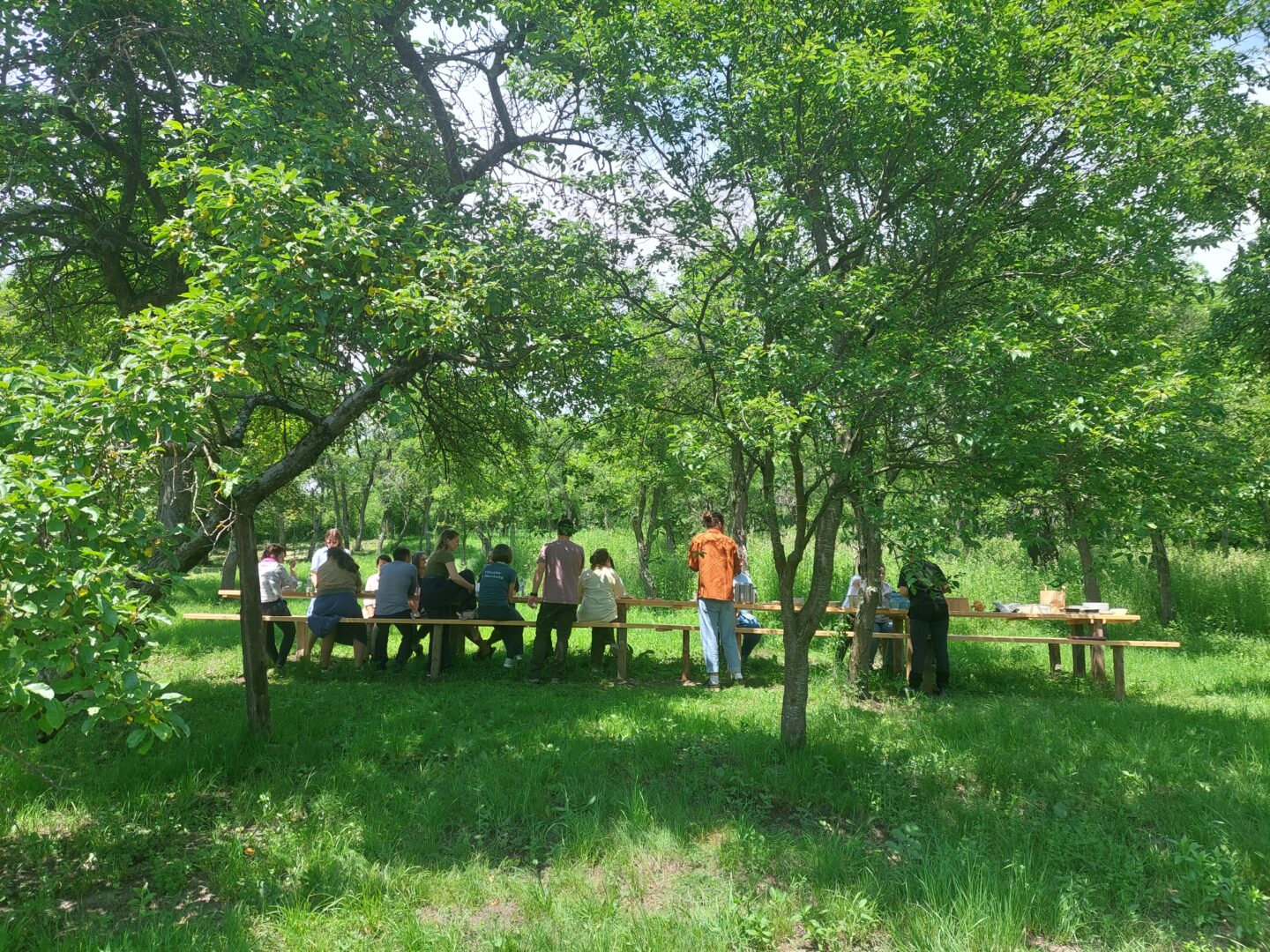
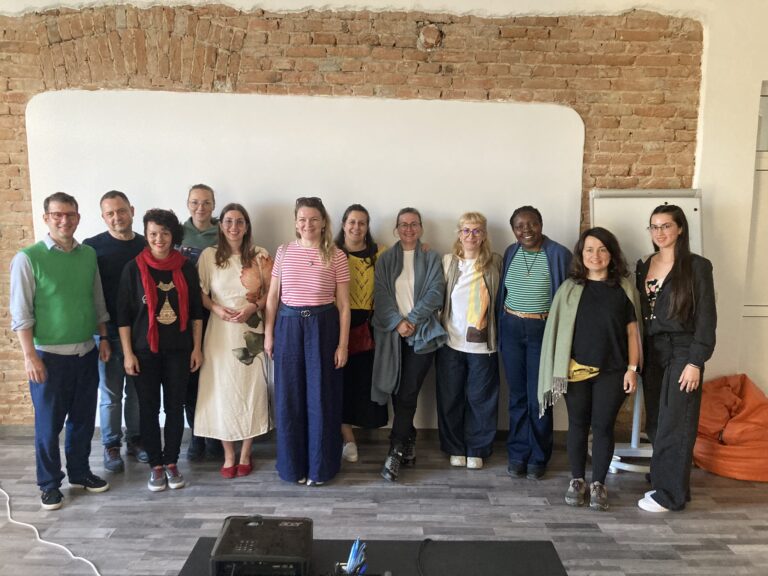
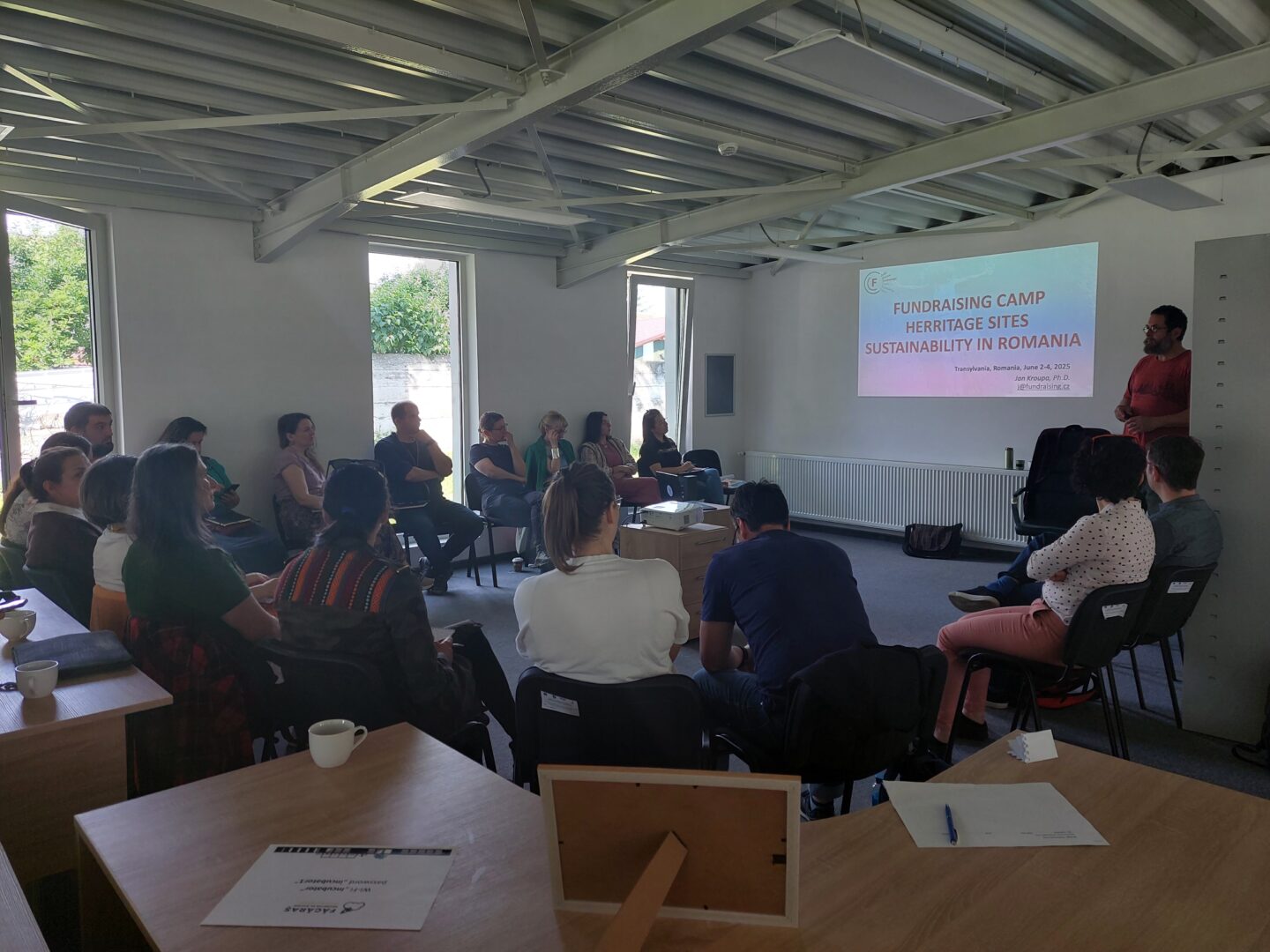
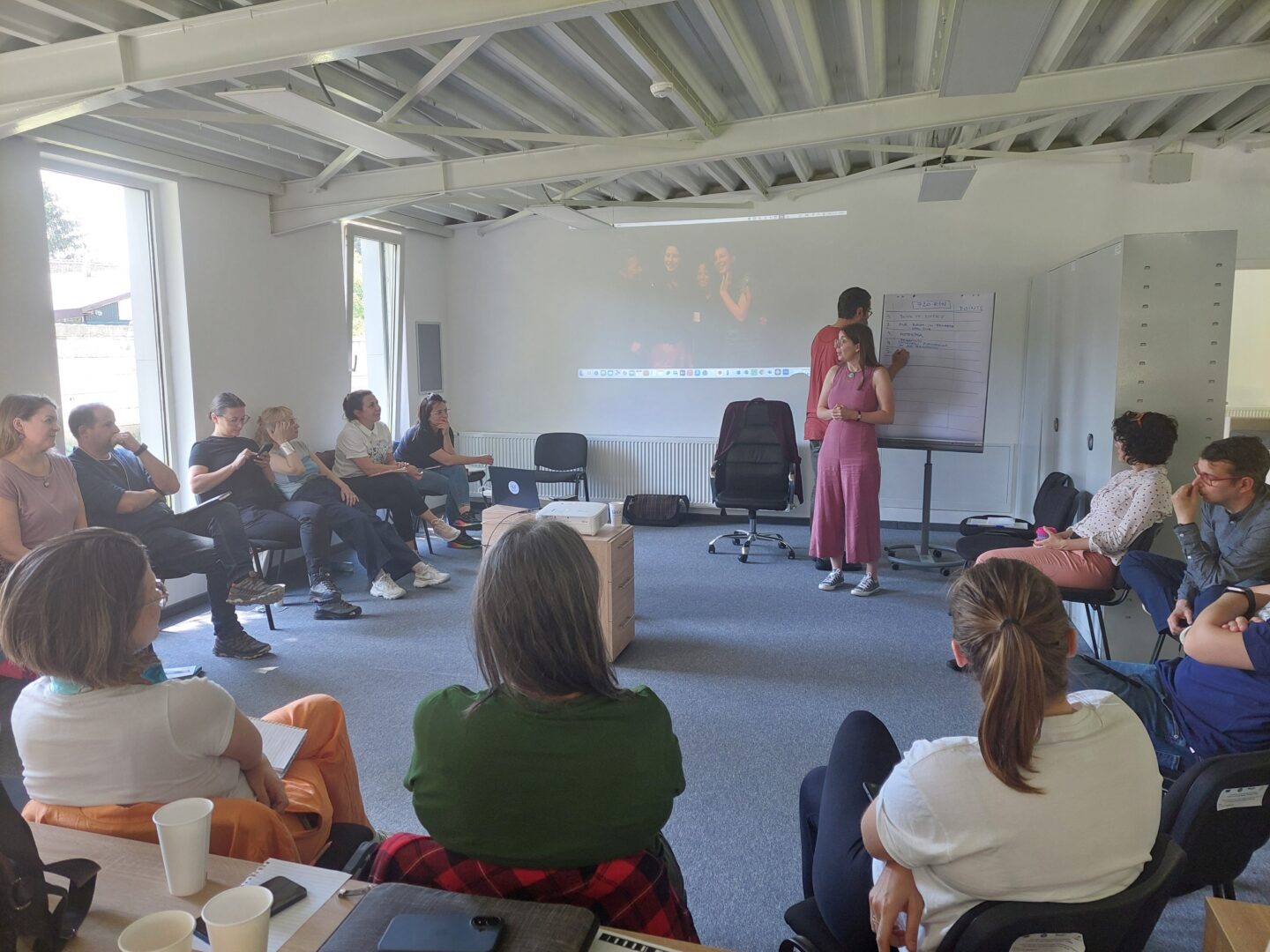
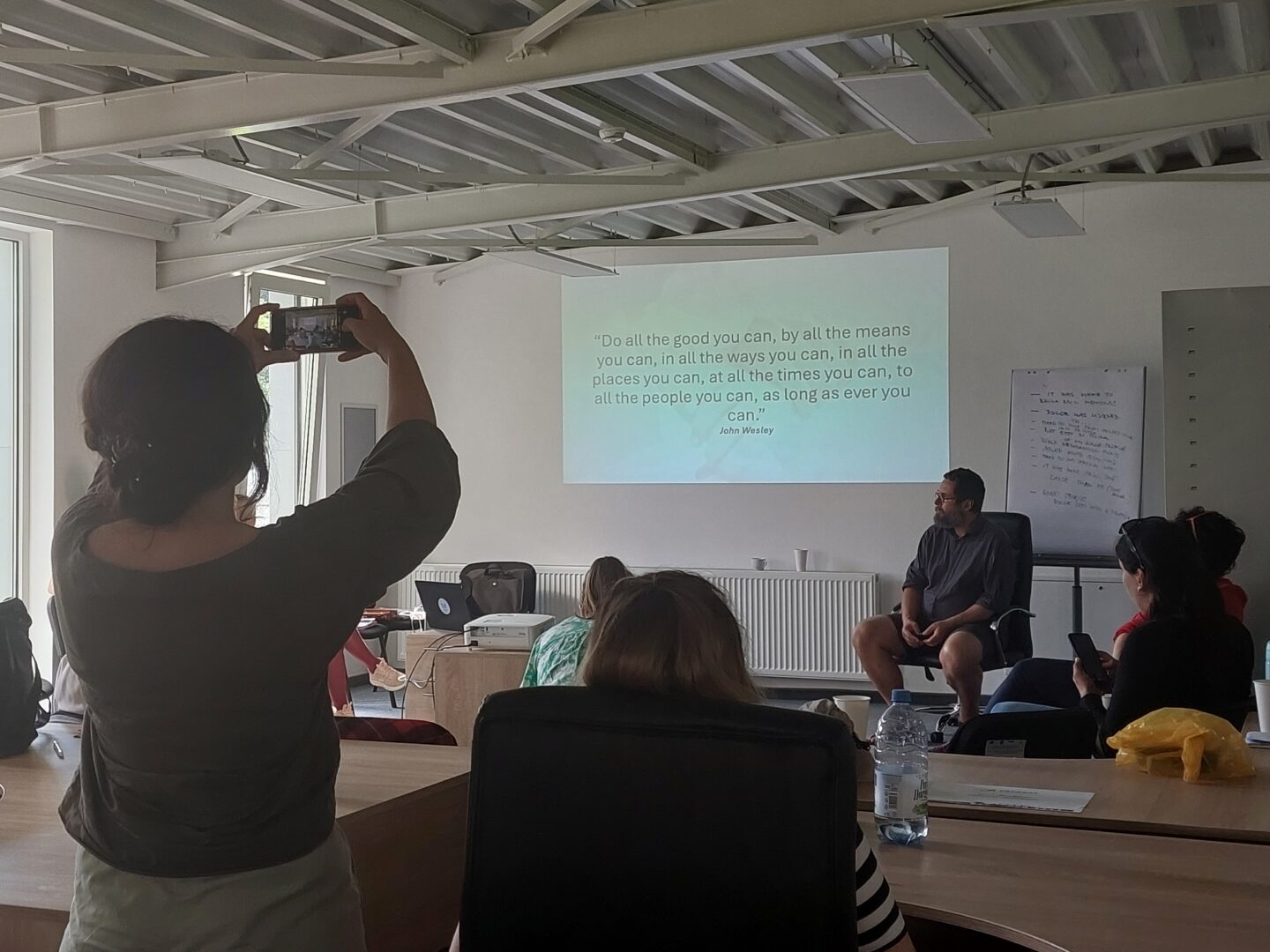
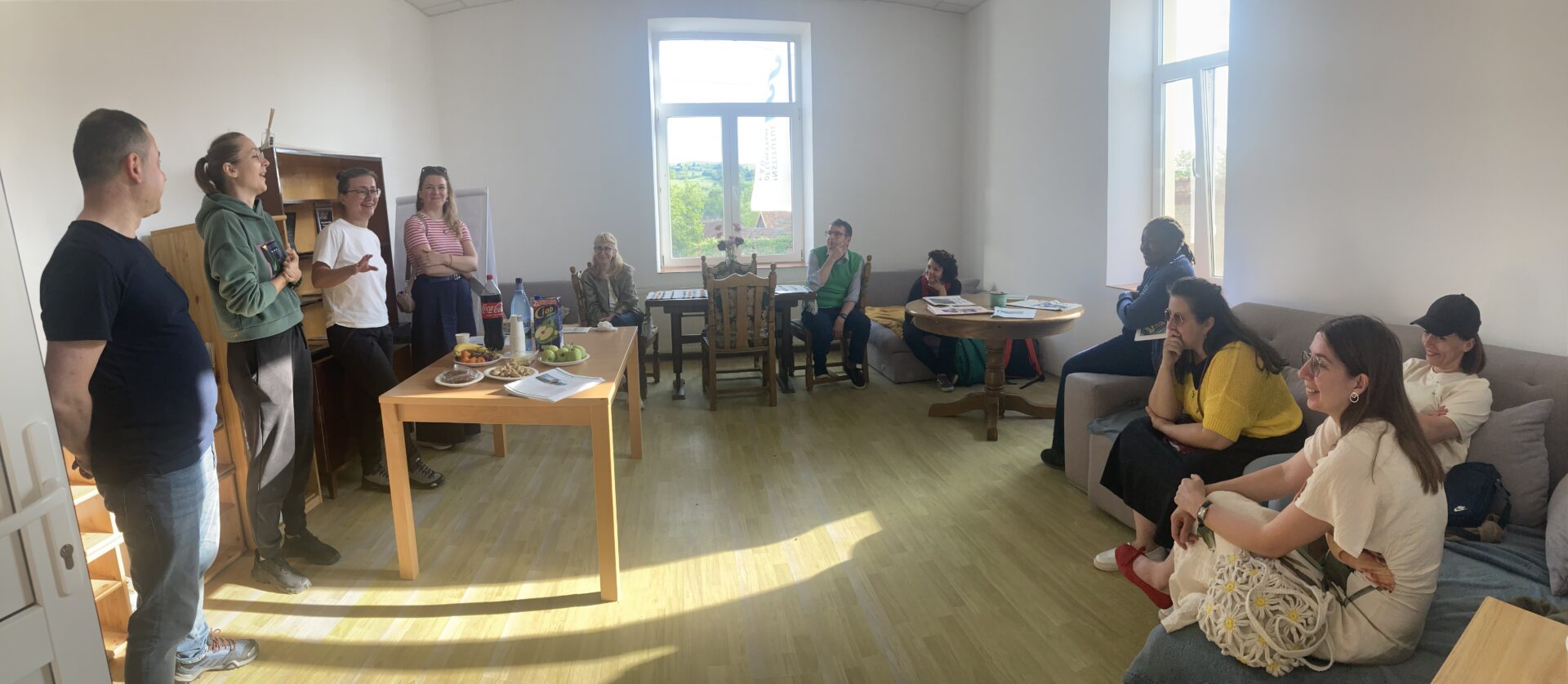
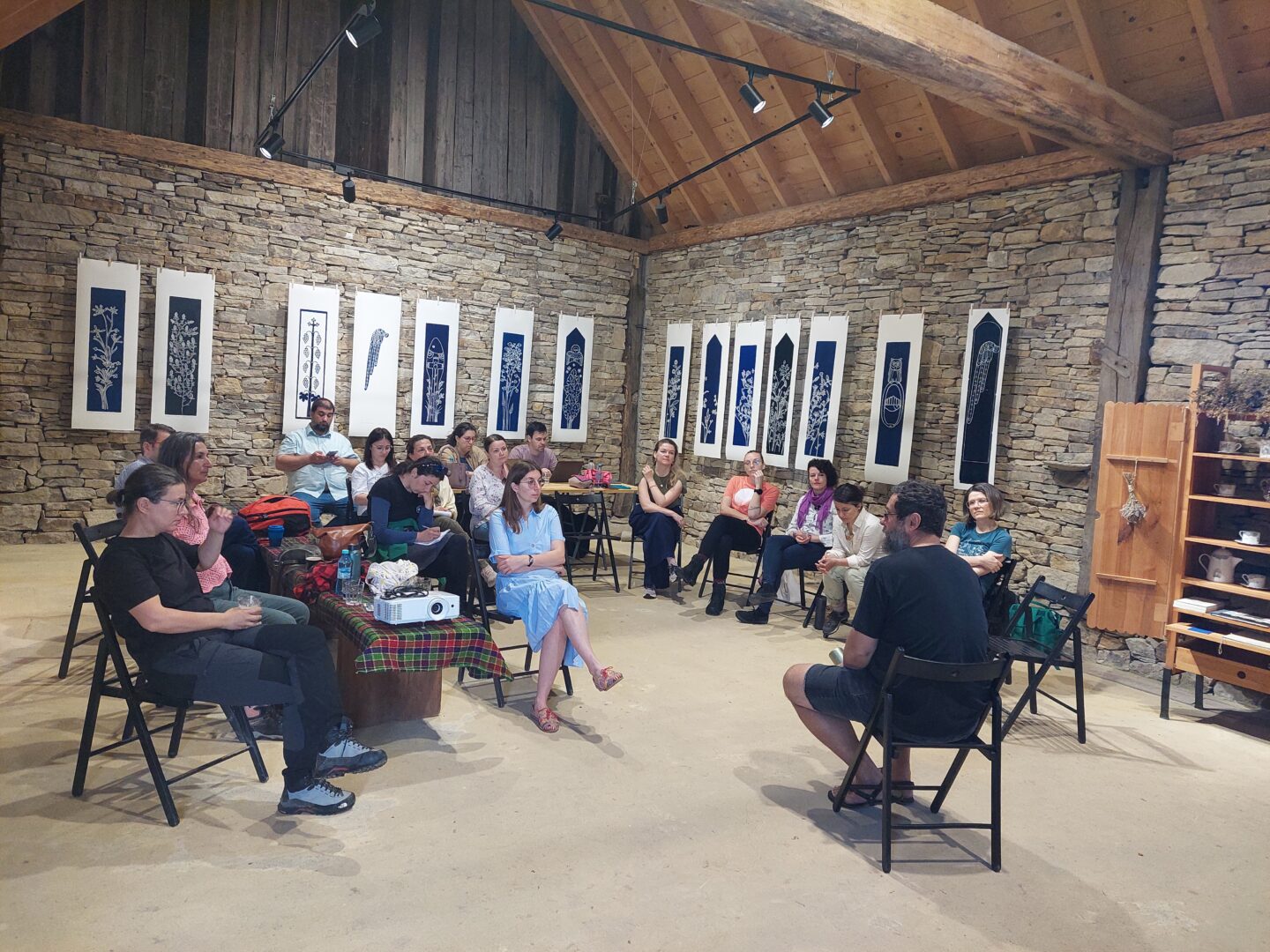
With this in mind, in early June 2025, we gathered for the Strategic Fundraising Camp, held in the Transylvanian Hills at Făgăraș and Șona, under the guidance of Jan Kroupa, an international expert with over 20 years of experience in philanthropy and organizational development, founder of the Czech Fundraising Center. Over three intensive days, we explored long-term fundraising strategies together, from small-donor campaigns to major donor relationships, endowments, and legacy fundraising.
Day 1 – Building Relationships with Recurring Donors
We began with an honest look at our relationship with money, that “necessary evil” in the non-profit sector, and worked on understanding what a strategic fundraising portfolio meant. We discussed how to start a movement in our field and a community of supporters, exploring crowdfunding campaigns, peer-to-peer fundraising, and email campaigns. What matters most are the relationships we build and trust, the most essential capital of any organization.
Day 2 – Building Relationships with Strategic Donors
We moved to the next level: major donor fundraising, capital campaigns, and establishing endowment funds. We worked on creating a Case for Support, a Gift Range Chart, and a list of potential donors. The feasibility testing exercises were a key moment of the camp, challenging us to look realistically at how viable a major campaign truly is: whether our message is convincing, whether the financial target is credible, and whether the organization has the internal resources needed to see it through.
In parallel, discussions about the role of volunteers and campaign “cabinets” revealed how crucial collective leadership is to the success of a major initiative. A large-scale campaign isn’t the work of a single fundraiser, but a shared effort of the team, the board, and dedicated ambassadors to the cause who can open doors and inspire confidence. This type of exercise gave us a realistic yet ambitious framework for understanding what it means to build, step by step, a philanthropic movement around heritage.
Day 3 – Long-Term Sustainability
The continuity of our efforts is fundamental. We asked ourselves how to maintain donor relationships, how to ask for a major gift, and especially how to care for those who have already supported us. We drew the following conclusions and planned concrete steps to strengthen the sustainability of our organizations and the causes we serve.
Conclusions
Under Jan Kroupa’s guidance, participants understood that fundraising isn’t just a series of one-off campaigns, but a long-term process of building relationships – with donors, communities, and leaders – based on trust, clarity, and an authentic vision for change.
1. Fundraising Begins From Within
The first “yes” in a successful campaign comes from inside the organization. “Ask 1 – Getting a Yes from Yourself” exercises challenged participants to reflect:
- Are we ready to commit to a long-term effort?
- Do we believe we can succeed?
- Can we champion this direction with our team, board, and community?
Conclusion: Without internal clarity and team-level commitment, no external strategy takes root.
2. Clear Vision and A Compelling Story Are the Foundational
Another key exercise, the “Case for Support“, helped organizations articulate:
- Why does their project matter?
- Who benefits and what real impact does it produce?
- How will change happen concretely, and why are they best positioned to make it happen?
Conclusion: A well-crafted Case for Support is the campaign’s roadmap – it inspires action, provides clear arguments, and delivers authentic emotion.
3. Donor Relationships Are Built on Trust and Consistency
Major fundraising isn’t about “asking for money”, it’s about creating philanthropic partnerships. The concept of the “five questioning steps” showed that a solid campaign means:
- Internal confidence (team, management, board).
- A well-researched list of potential donors (linkage – ability – interest).
- A dedicated team with clear roles and real follow-up capacity.
- Testing the campaign idea through a feasibility study.
- Cultivating and nurturing donor relationships after the campaign concludes.
Conclusion: Successful fundraising is a continuous process of listening, engagement, and gratitude – not a three-month sprint, but a years-long marathon.
4. Human Capital Matters as Much as Financial Capital
Discussions about fundraising team structure highlighted the need for gradual professionalization: from one person “doing everything” at the start, toward a dedicated team throughout campaigns – coordinator, communications, donor relations, administration, volunteers.
Conclusion: Organizational development must be planned in parallel with the fundraising plan.
Learning and Discovery
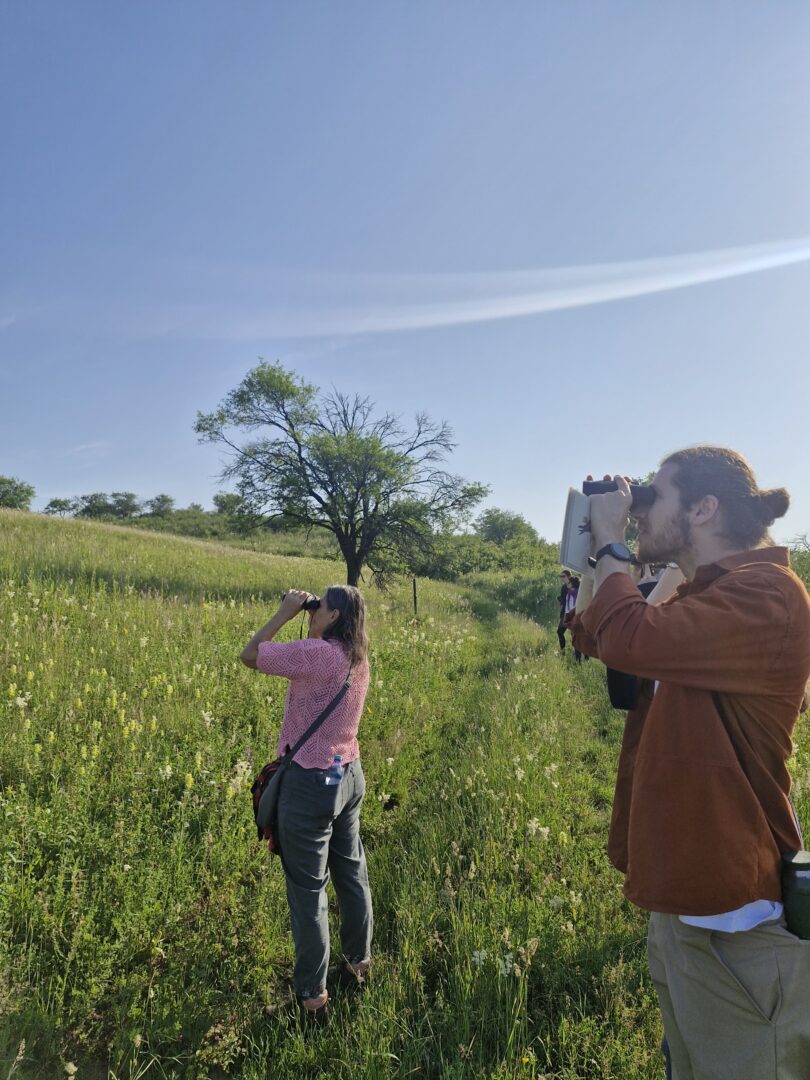
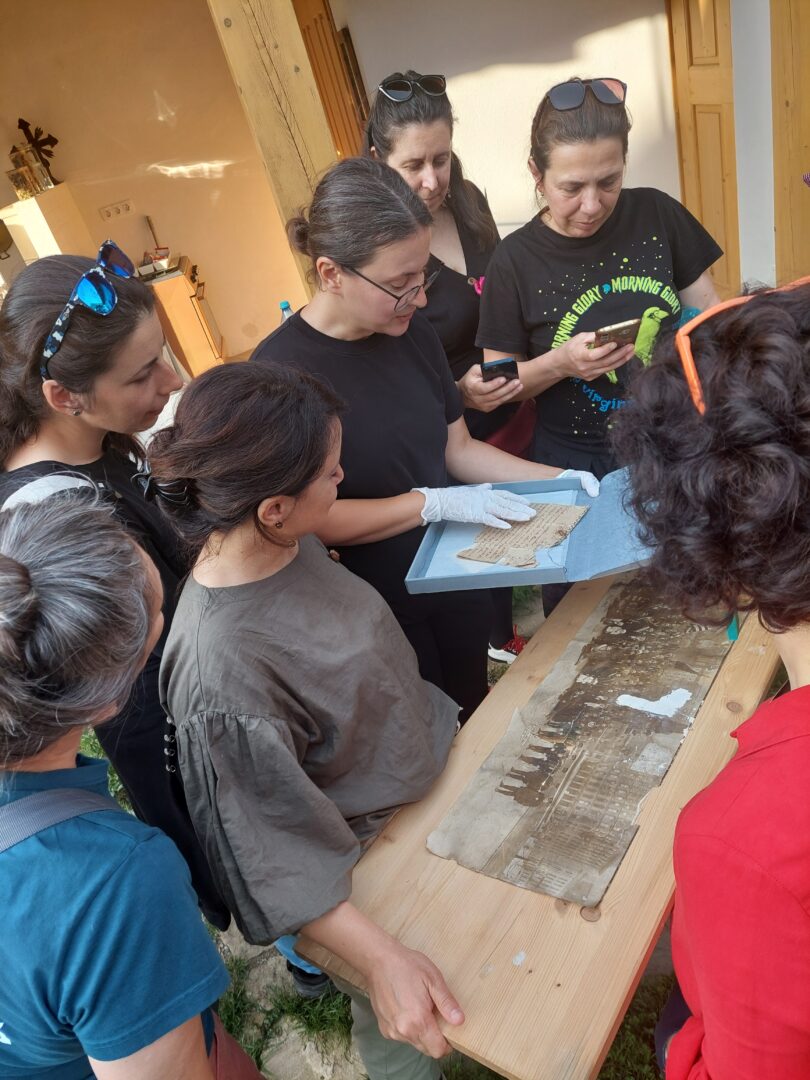
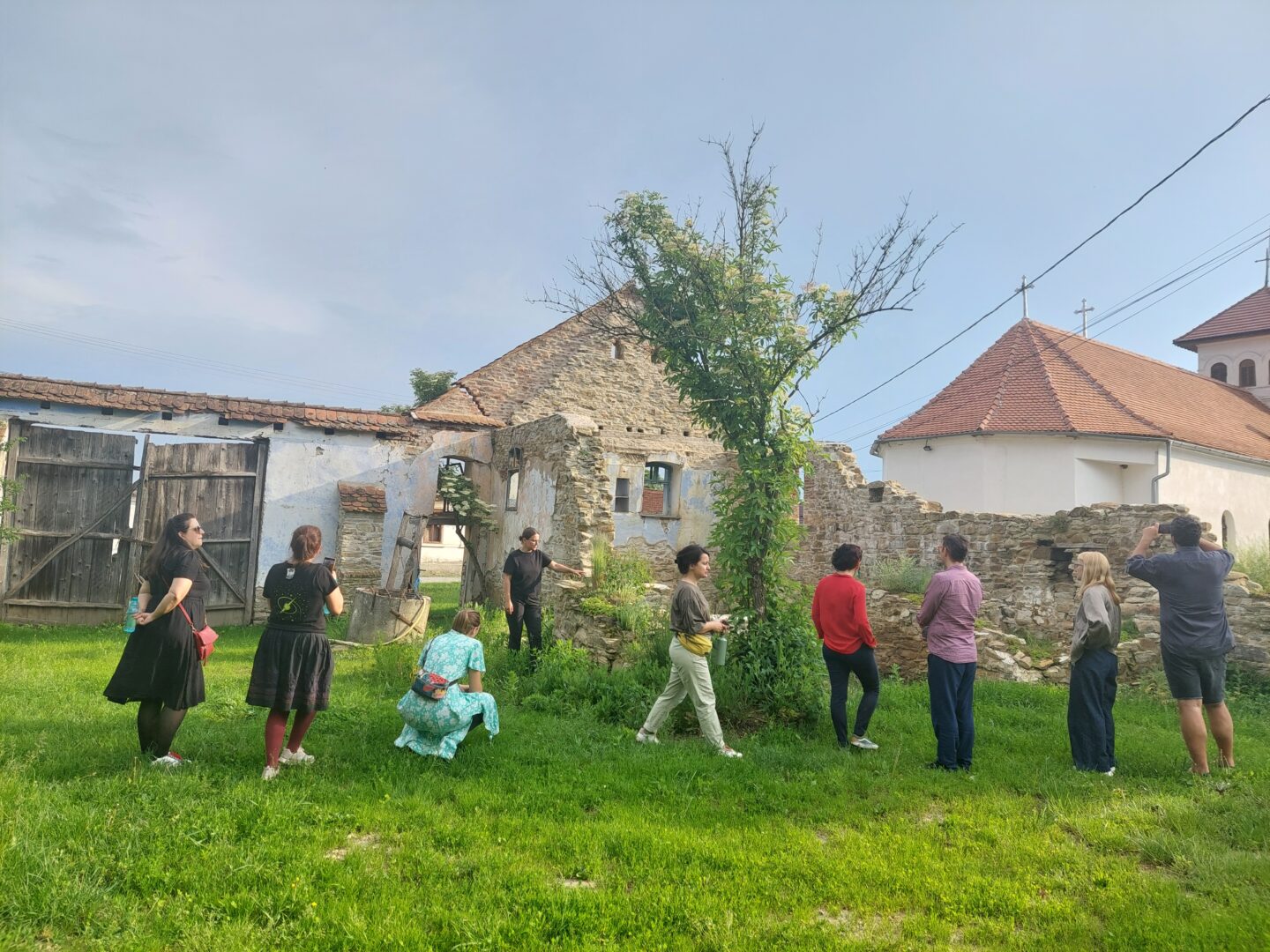
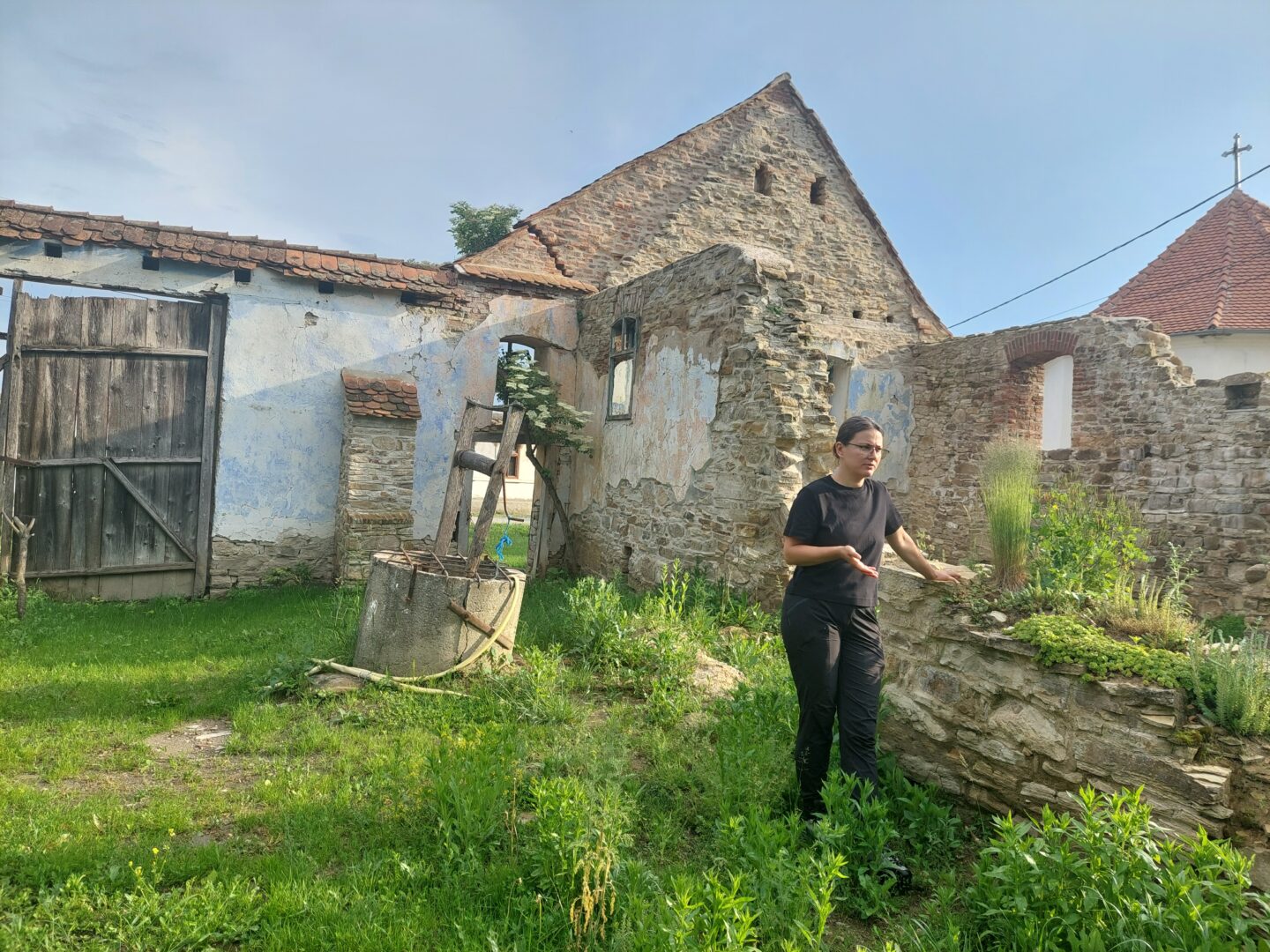
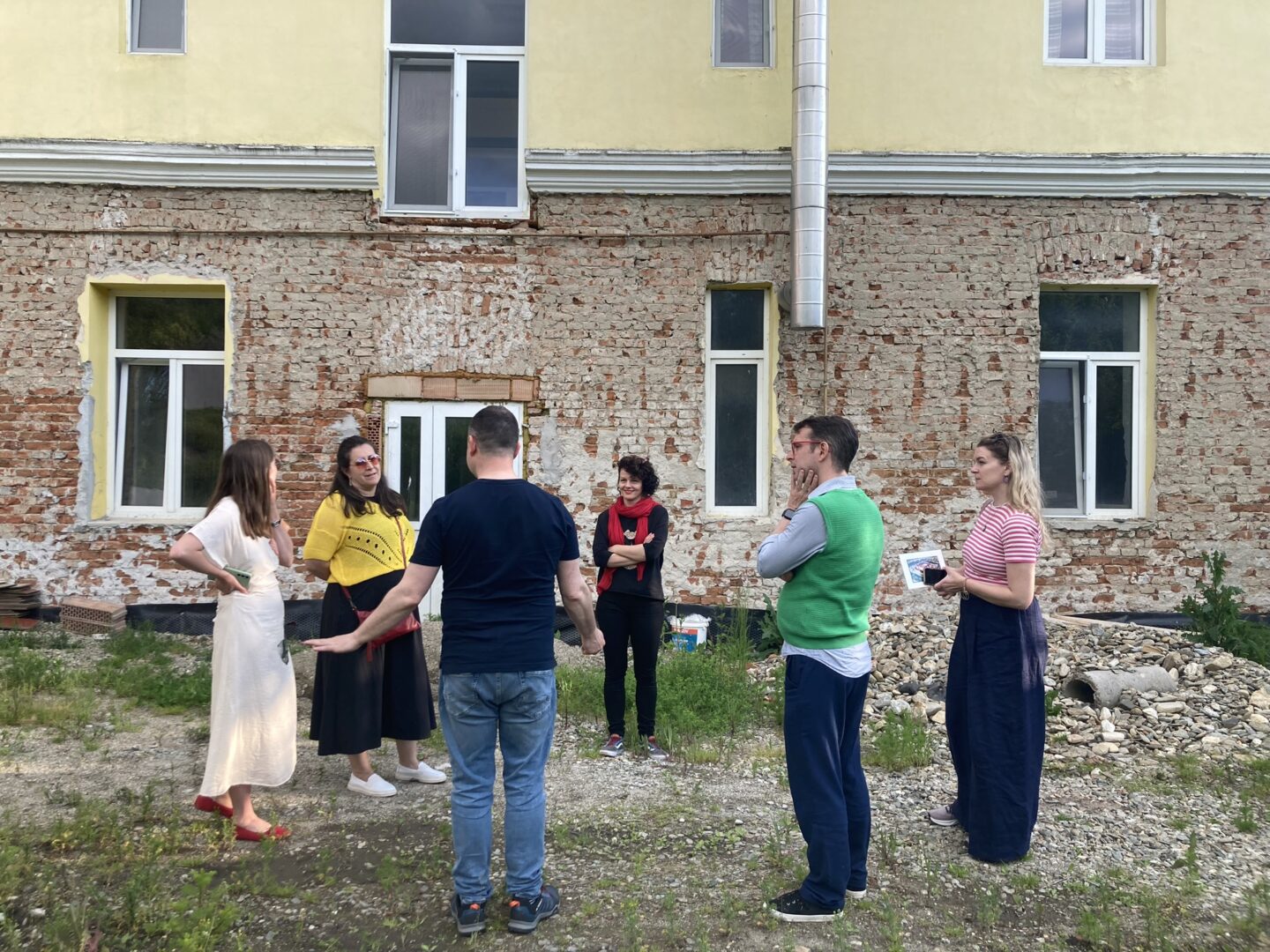
Between learning sessions, we visited several sites included in the Open! program – the Theater–Ruin and House 110 in Șona, the Fortified Church in Felmer, and the School in Calbor – places that almost narrate the courage and perseverance of the people bringing them back to life. We also had a moment to breathe in nature, guided by Mădălina from Angofa Wildlife Center, who is also part of the program and works on weaving closer ties between people, nature, and heritage.
What Remains After the Camp
The Strategic Fundraising Camp was a workshop for learning and formation, a collective exercise in envisioning our financial maturation. Sustainability isn’t built overnight, and professionalizing fundraising is necessary for heritage-saving organizations to become durable, relevant, and autonomous over time. To endure, therefore, beyond the current efforts of those who care for heritage buildings now.
For participating organizations, the next steps mean transforming these lessons into practice: formulating a compelling Case for Support, defining a medium-term fundraising strategy, creating a list of potential donors, involving their teams and boards in cultivating relationships, and developing sustainable mechanisms for donor recognition and retention.
These concrete actions can become the foundation of a new maturation phase for heritage NGOs, one where resources aren’t simply sought after, but built patiently and together.
We are grateful to Jan Kroupa for his generous guidance, to participants for their energy and openness, and to our partners in the Open! program, who demonstrate daily that heritage can be a living resource for communities.